Full Description
View Full Description
Crumar Mojo MKII Digital Tonewheel Organ
A more refined playing feel
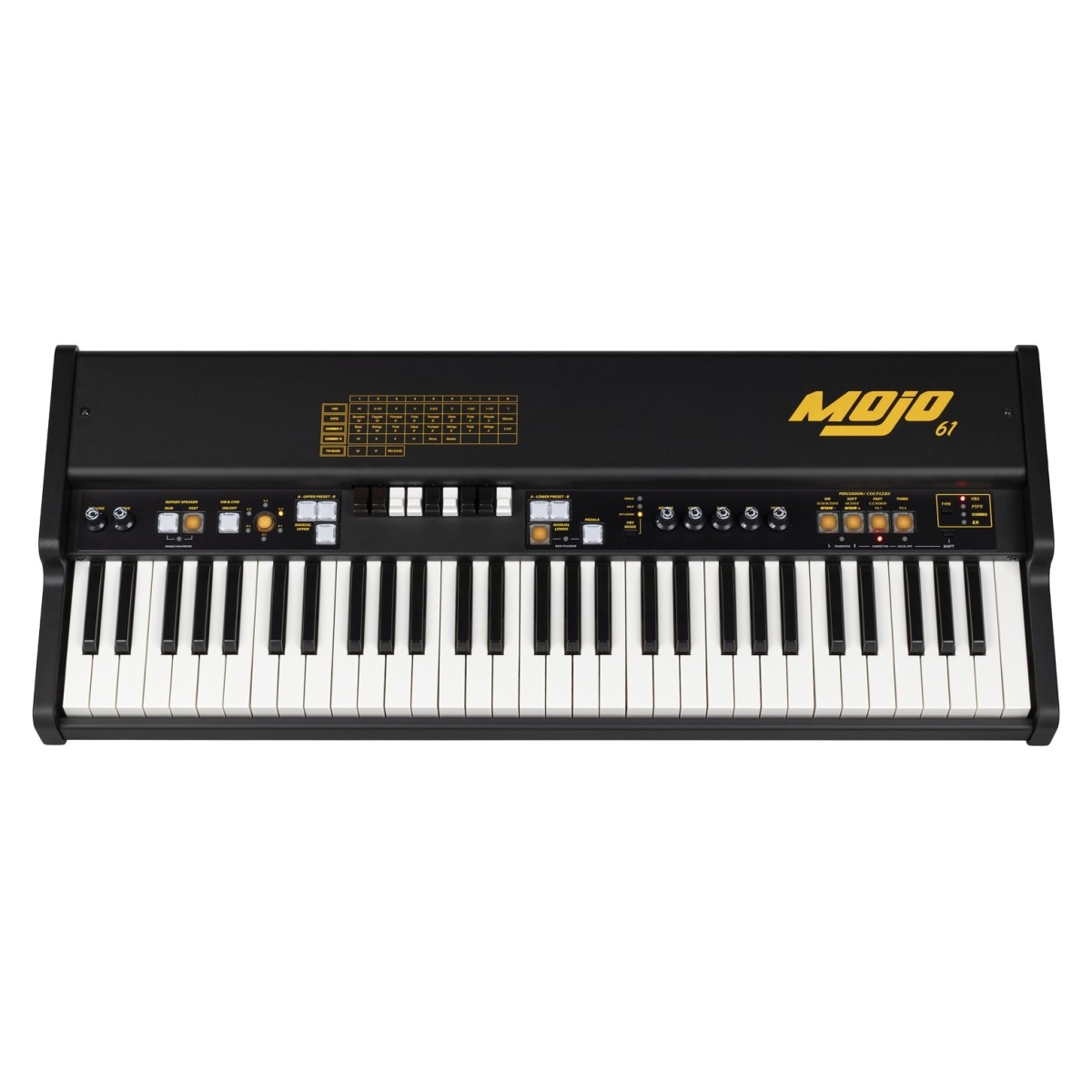
The redesigned PULSE 6105WF waterfall keybed gives the Mojo 61 MKII a lighter yet sturdier feel, providing a responsive playing surface for organ performance. Its 61-note format keeps the instrument compact, while the waterfall design suits the techniques associated with electromechanical organs.
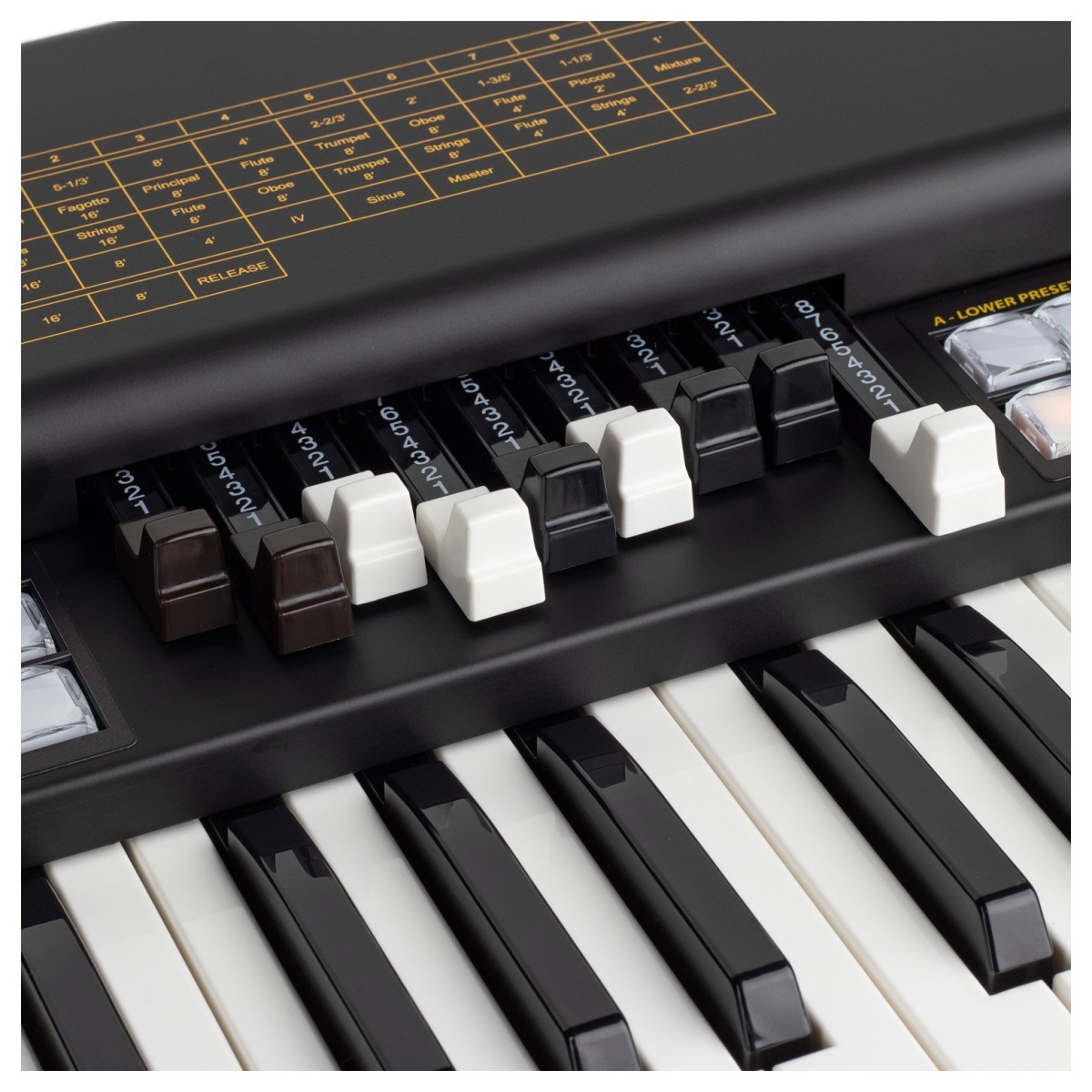
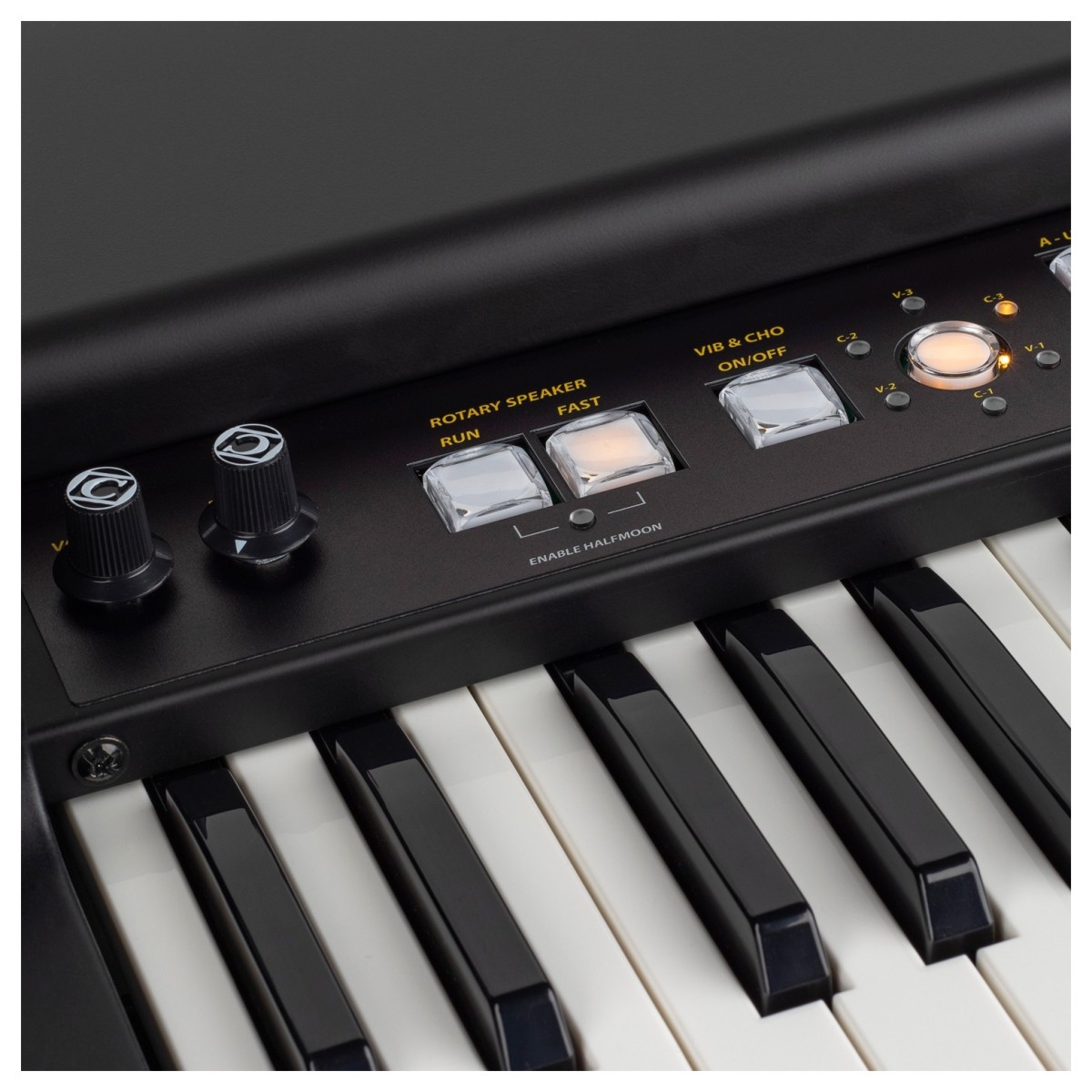
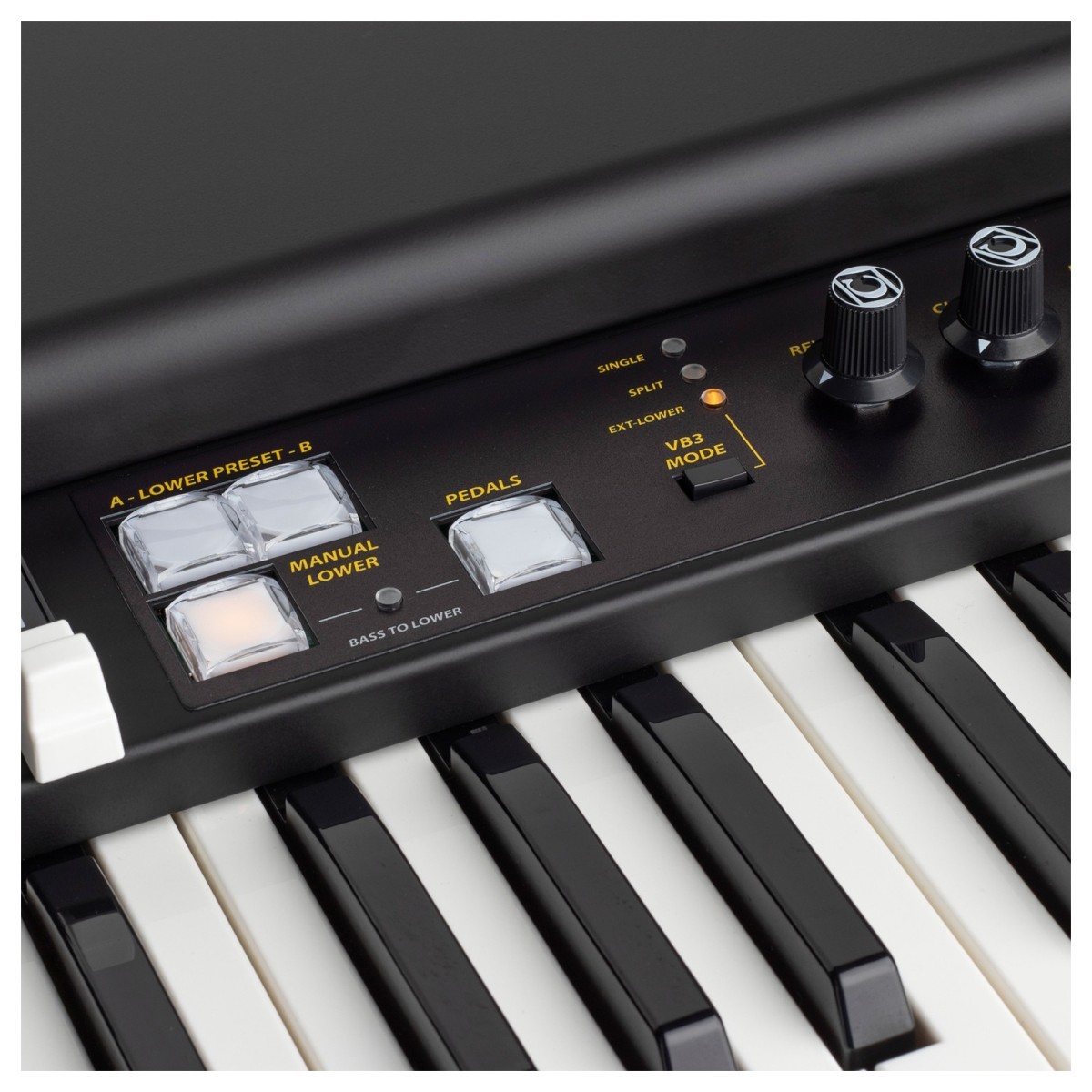
Crumar has also refreshed the cabinet styling with design influences taken from the Mojo Classic and Sorrento. Practical improvements extend to the control surface, where larger pushbuttons make functions clearer and easier to reach. You still get the direct approach of dedicated buttons, controls, drawbars, and LEDs, helping you make adjustments without digging through menus during a set.
Detailed organ sounds at your fingertips
At the heart of the Mojo 61 MKII is GSi's VB3-II engine, providing the electromechanical organ simulation also used in the dual-manual Mojo Classic. You can choose between 22 vintage tonewheel organ variations, then adjust parameters and save your preferred setup for quick recall. There is plenty beyond tonewheel sounds, too.
A physically modelled Baroque-style pipe organ provides eight stops, a mixture, three couplers, and tremulant, with full polyphony generated in real time. Classic transistor organ characters are also covered through Compact DeLuxe and Continental-inspired instruments, giving you several distinct organ voices in one portable keyboard.
More keyboard sounds for your set
The Mojo 61 MKII goes beyond its organ focus with a collection of familiar keyboard instruments. Physically modelled Tine Piano and Reed Piano sounds cover two distinctive electric piano characters, while a modelled Clavinet adds another option for rhythmic keyboard parts. An acoustic piano using a combination of sampling and modelling rounds out the sound selection.
The electric piano models account for details including sympathetic resonance, mechanical noises, and sustain pedal behaviour, helping the sounds respond naturally to your playing. This broader selection means you can cover multiple keyboard roles from one 9kg instrument, which is particularly useful when keeping a live setup manageable.
Shape sounds and expand your setup
A dedicated effects section gives you useful tools for tailoring the Mojo 61 MKII's different instrument types. Rotary speaker and tube overdrive processing complement tonewheel organ sounds, while stereo phaser and chorus effects suit the electric pianos. Static amplifier models are available for transistor organ tones, alongside reverb for adding space.
These effects draw on vintage stomp boxes, guitar and bass amplifiers, reverb processing, and classic 122/147-style tube rotary amplification. For deeper adjustments, the editor opens up the Mojo's wider sound and function parameters.
Crumar Mojo Lower Manual MKII
Build a two-manual Mojo setup
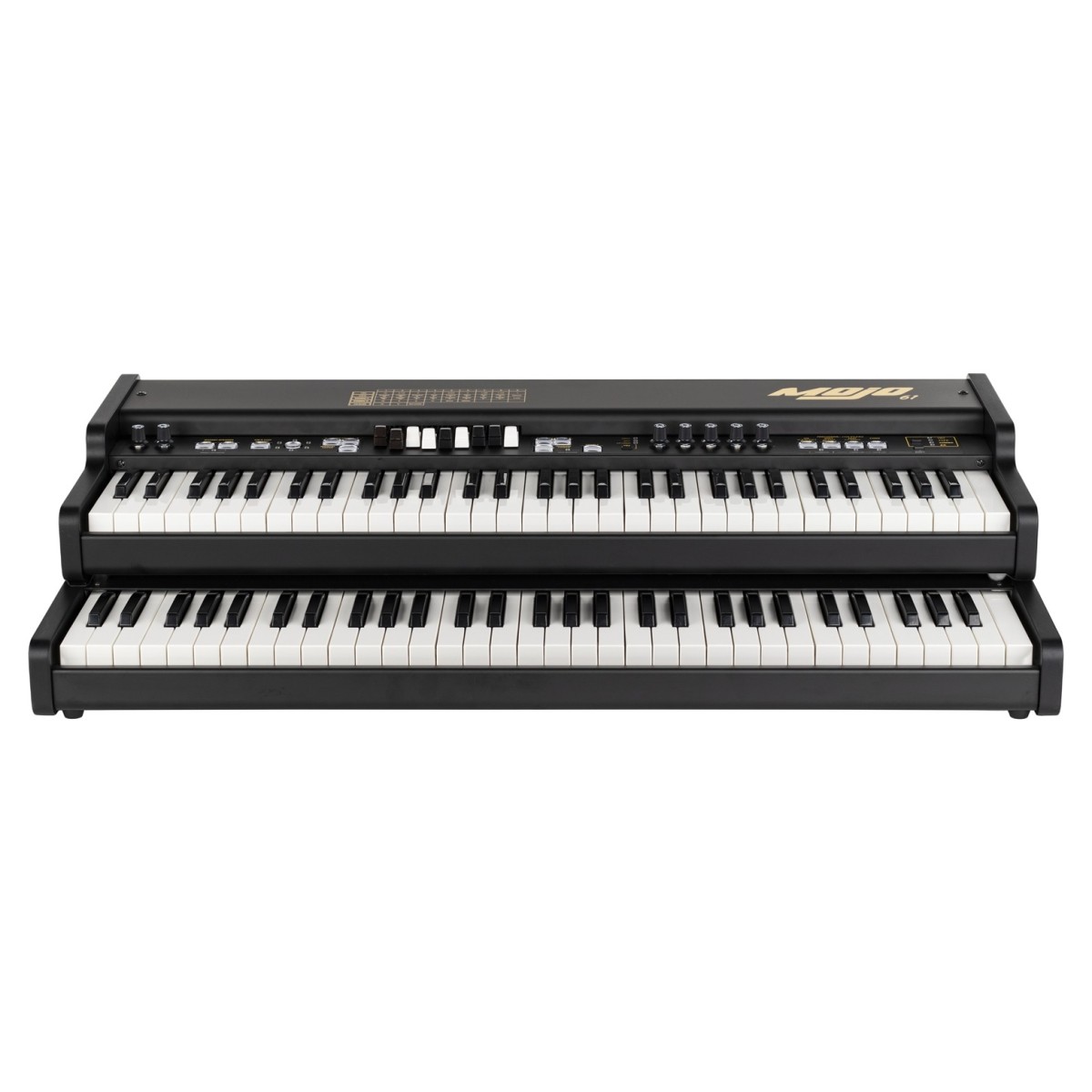
Pair the Lower Manual MKII with a Crumar Mojo 61 to create an integrated two-manual organ setup. Four support pins locate the Mojo 61 securely on top, while the supplied five-pin MIDI cable connects the two instruments.
Once connected and the Mojo 61's EXT-LOWER function is selected, the main keyboard supplies power to the Lower Manual through the MIDI cable. This means you don't need an additional power connection. Select the VB3 sound and the Lower Manual works as the lower keyboard of the tonewheel organ setup. Its configuration switches are automatically bypassed in this arrangement, keeping operation straightforward once everything is connected.
Control more than your organ
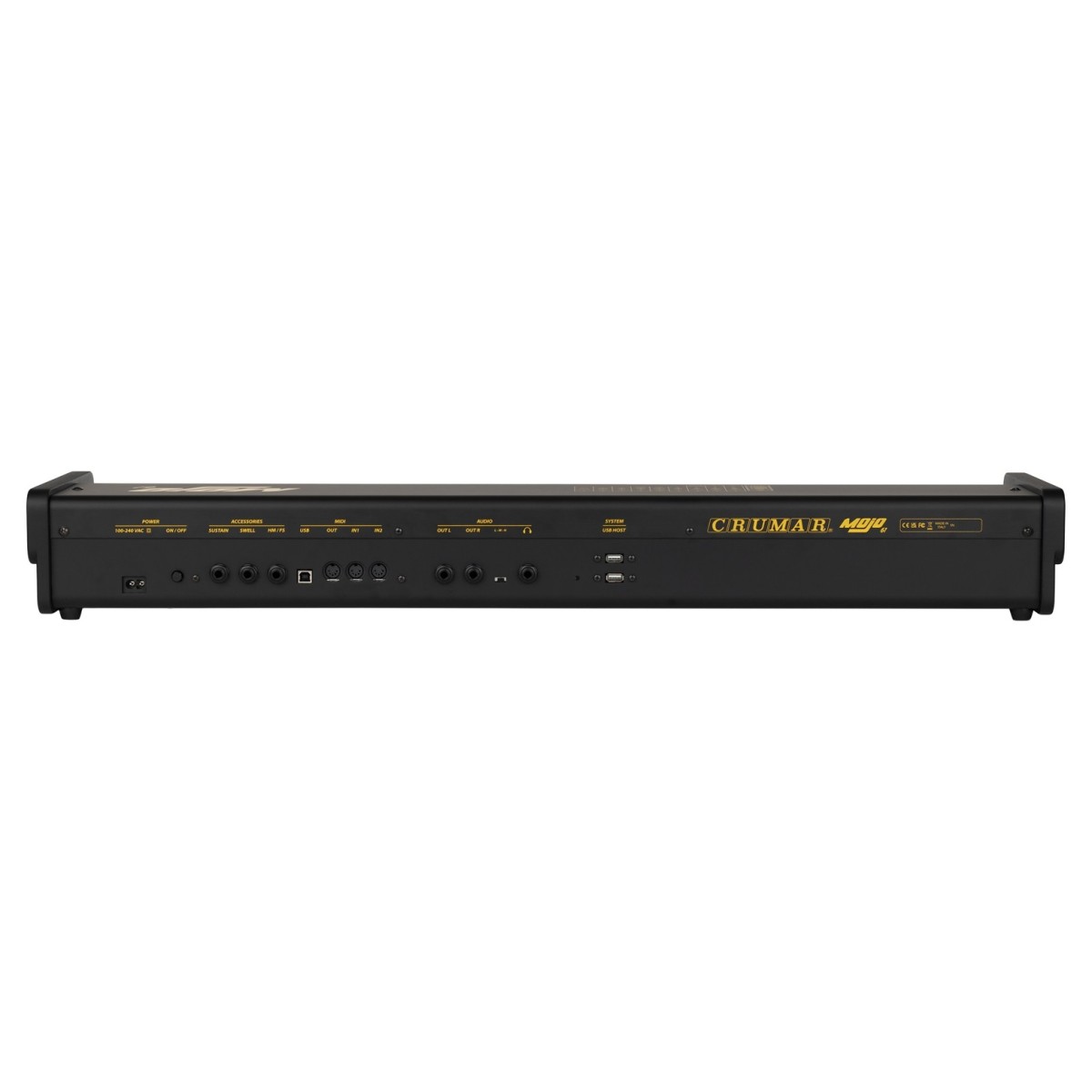
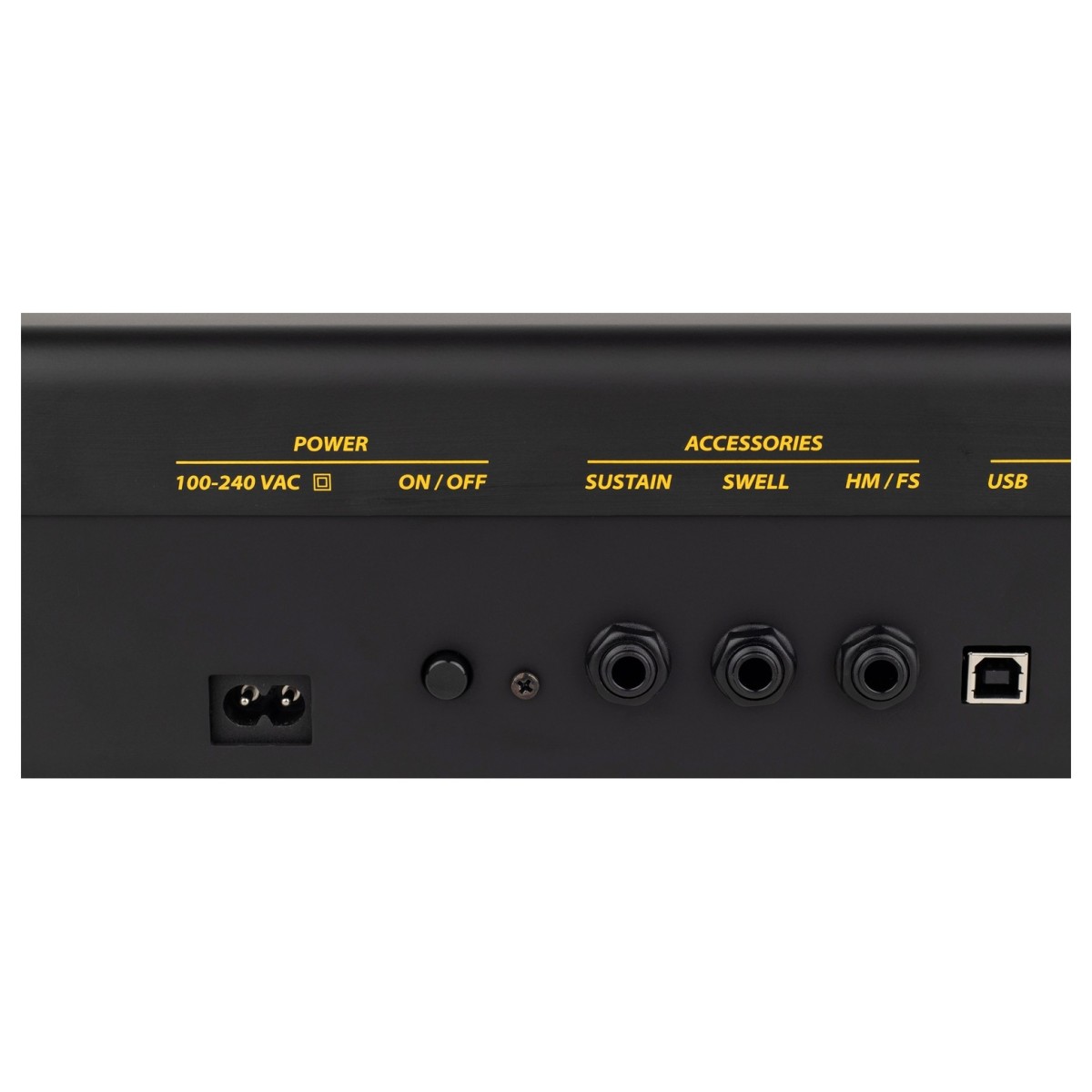
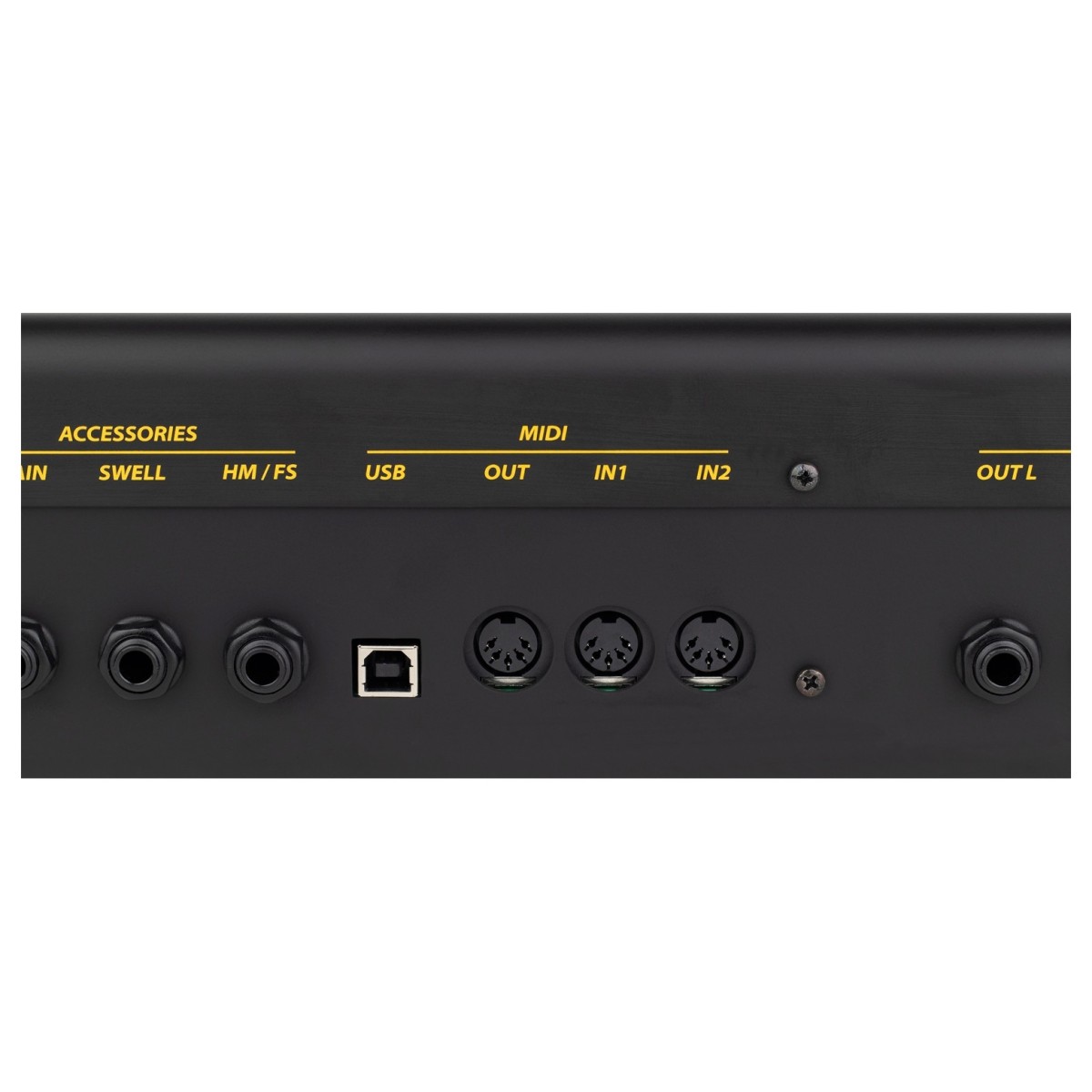
The Lower Manual MKII isn't limited to use with the Mojo 61. Its modular design lets it serve as a universal master keyboard for equipment fitted with MIDI input, along with computers and tablets. Connect the USB Type-B port to a computer and it carries both power and MIDI data, with the keyboard automatically recognised as a USB MIDI device.
This makes it suitable for controlling VST software without requiring a separate MIDI interface. A physical MIDI output works simultaneously with USB, so you can send keyboard data to compatible hardware as well. For MIDI-only setups, USB can simply provide power from a suitable 5V adapter or phone charger.
Choose the response for your sound
Six DIP switches let you configure the Lower Manual MKII for different instruments and MIDI setups. MIDI channel selection covers channels 1 through 16, giving you control over where the keyboard sends its performance data. Switch velocity off for organ playing and MIDI messages are sent as the first key contact closes, supporting the quick response associated with organ techniques.
Note-off messages still retain release velocity information, helping compatible tonewheel organ software reproduce key-release noise accurately. Switch velocity on and the 61-note keyboard responds to the force of your playing instead, making it better suited to expressive sounds such as pianos.
Route MIDI with greater flexibility
Selectable pass-thru functionality makes the Lower Manual MKII useful at the centre of a wider MIDI setup. When enabled, MIDI messages received through USB from external sources are routed to the physical MIDI output alongside the data generated by the keyboard itself. This gives you a straightforward way to incorporate computers and other compatible equipment into the same setup.
The combination of USB and traditional MIDI connectivity also means you can adapt the controller to different rigs without being tied to the Mojo 61. Add its updated contemporary design, improved PULSE 6105WF waterfall keyboard, and reduced 7kg weight, and the MKII is built for flexible use on stage, in rehearsals, and with software.
Features
Crumar Mojo MKII Digital Tonewheel Organ
- Redesigned PULSE 6105WF waterfall keybed combines a lighter touch with a robust playing feel
- 61-note waterfall action supports responsive organ playing techniques
- Enlarged pushbuttons make essential controls easier to see and access on stage
- GSi VB3-II sound engine recreates detailed electromechanical organ characteristics
- 22 vintage tonewheel variations provide a wide choice of classic organ voices
- Modelled pipe and transistor organs expand the range of available organ sounds
- Tine Piano, Reed Piano, Clavinet and hybrid acoustic piano sounds cover additional keyboard roles
- Dedicated rotary speaker, tube overdrive, phaser, chorus, amplifier and reverb effects offer flexible sound shaping
- Direct drawbars, buttons, controls and LEDs allow fast adjustments without extensive menu navigation
- Editable parameters and saved setups make customised sounds easy to recall
- Lightweight 9kg construction makes the keyboard more convenient for regular transport
- Optional Lower Manual MKII enables a dual-manual configuration and standalone USB MIDI controller use
Crumar Mojo Lower Manual MKII
- Redesigned PULSE 6105WF waterfall keybed combines a lighter action with a sturdy playing response
- 61-note layout creates a dedicated lower keyboard when paired with the Mojo 61
- Standalone MIDI controller operation supports computers, tablets and compatible hardware
- Selectable velocity modes optimise the response for expressive piano sounds or fast organ techniques
- Adjustable MIDI channels from 1 to 16 provide flexible integration with different setups
- USB connectivity carries MIDI data and bus power through a single connection
- Simultaneous USB and physical MIDI output supports software and external hardware together
- Selectable MIDI pass-thru routes incoming USB MIDI messages to connected equipment
- Direct Mojo 61 integration provides power through the supplied five-pin MIDI connection
- Four locating pins securely support the Mojo 61 in a two-manual configuration
- Compact 7kg construction makes transport between gigs and rehearsals more manageable
Specifications
Crumar Mojo MKII Digital Tonewheel Organ
Crumar Mojo Lower Manual MKII