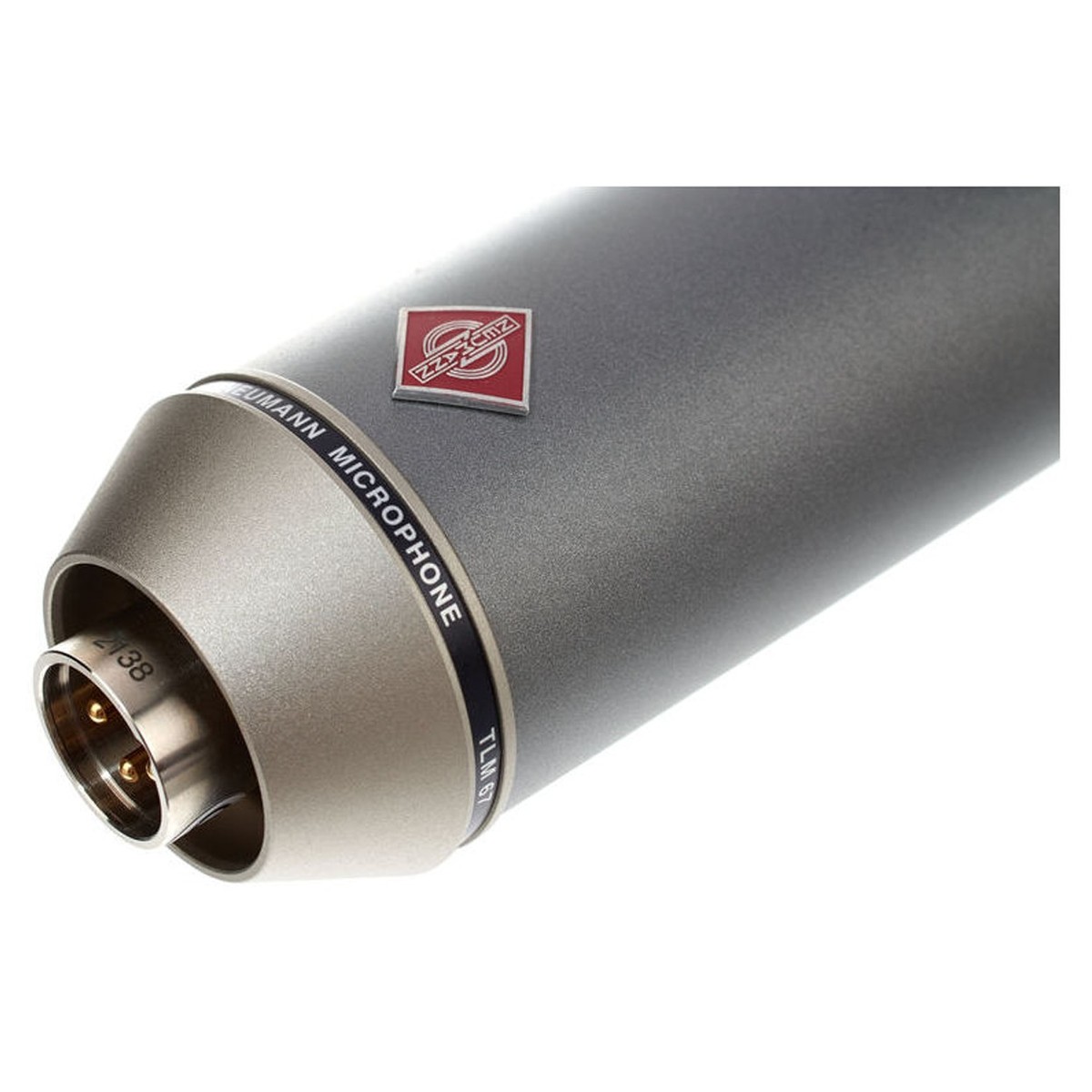
Neumann TLM 67 Switchable Studio Microphone - Secondhand
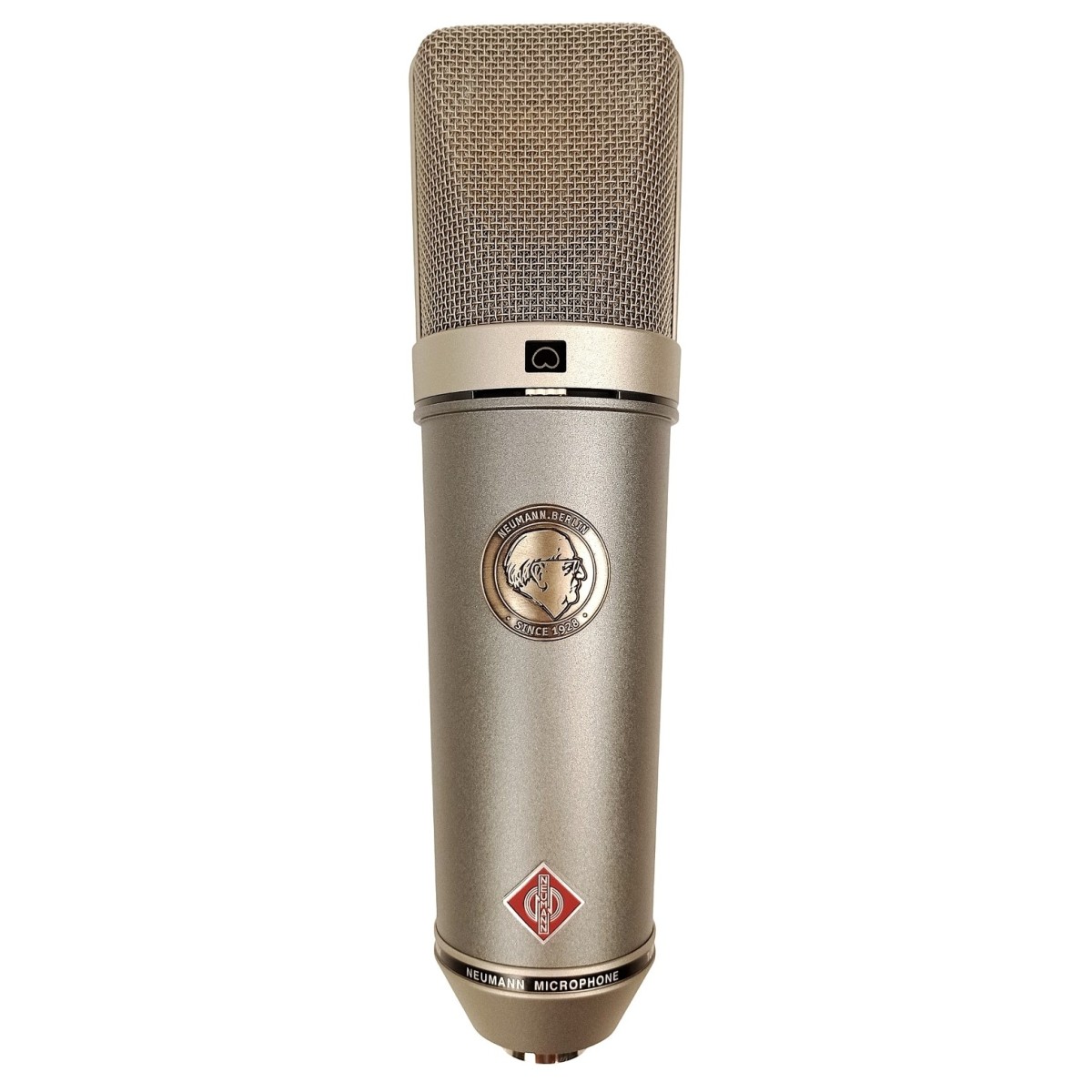
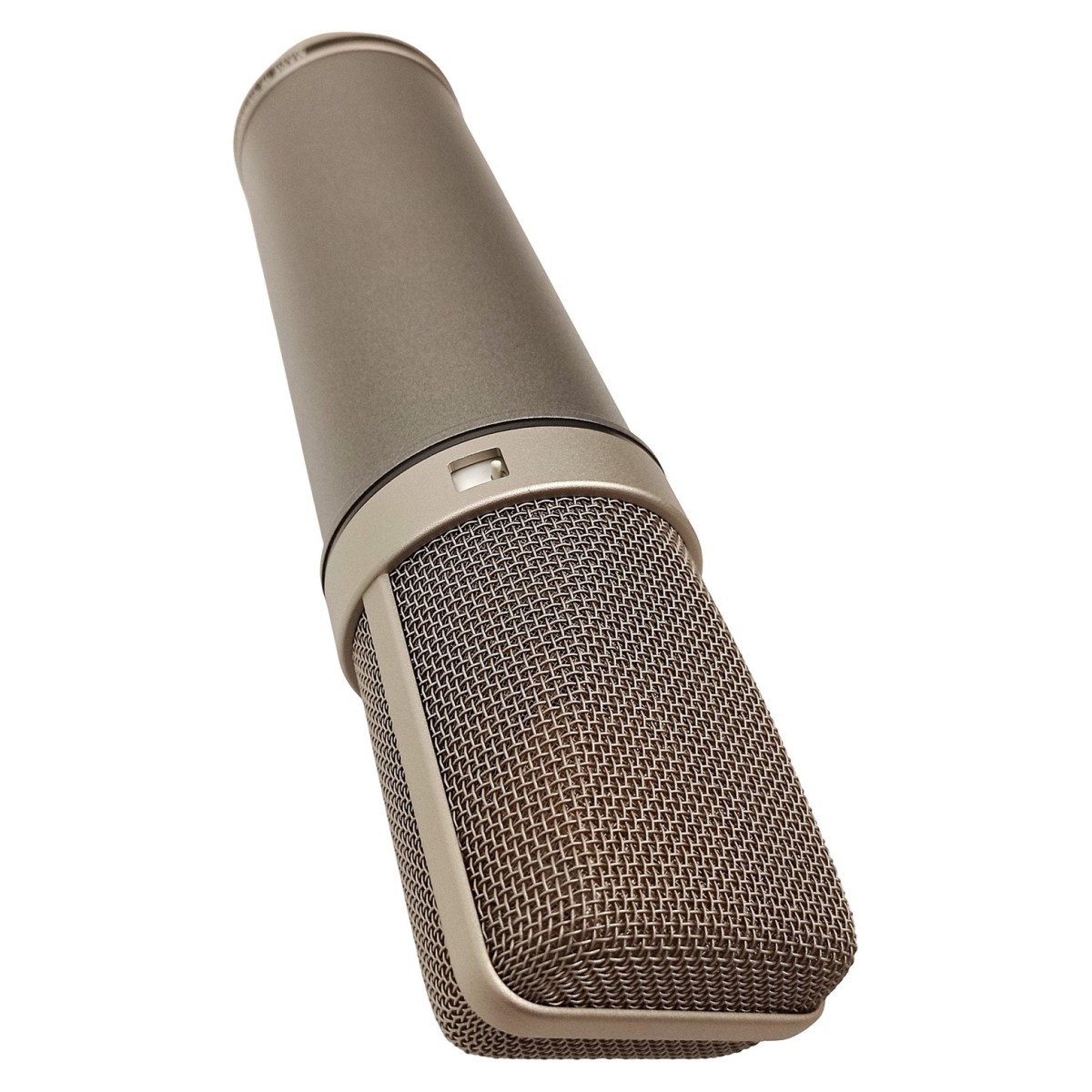
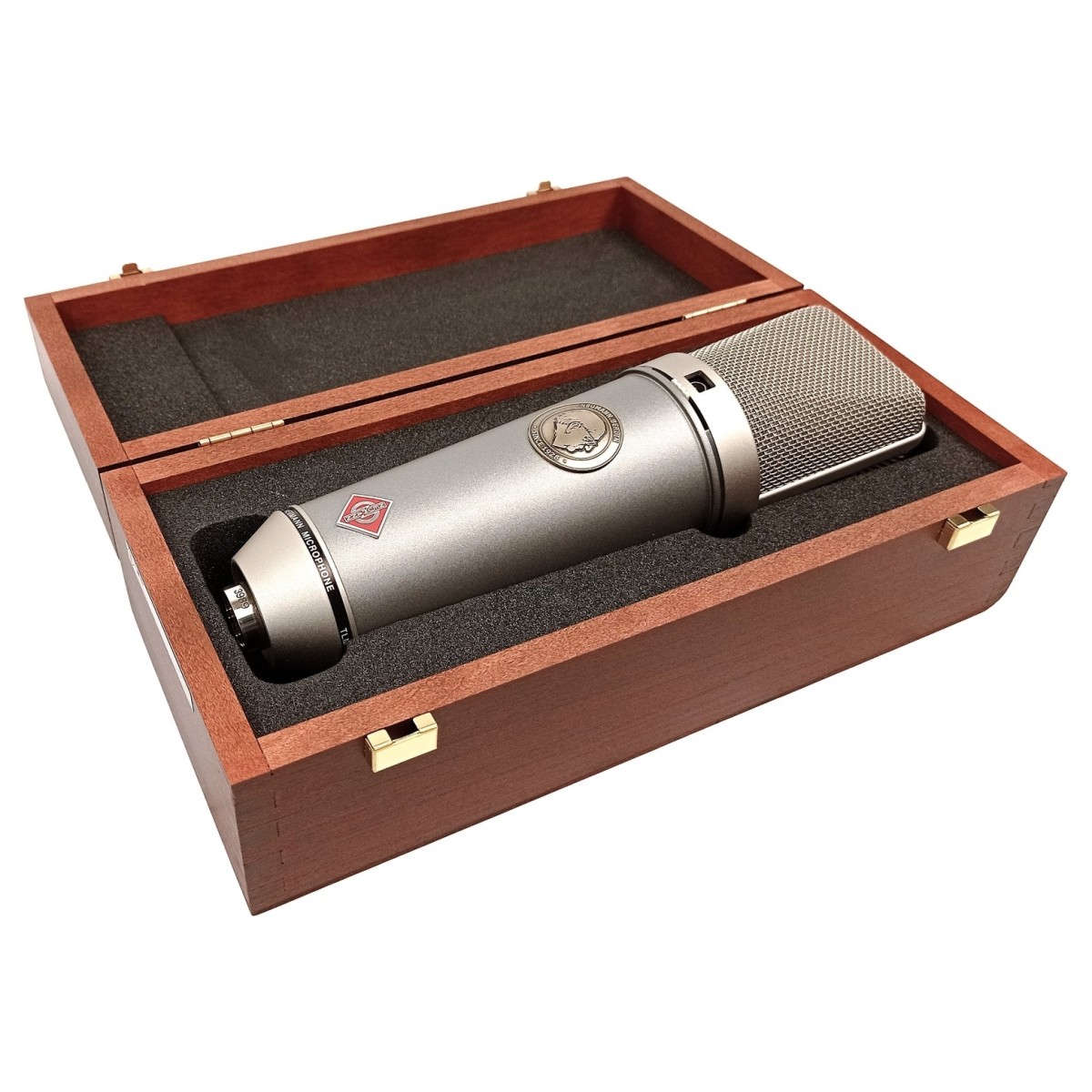
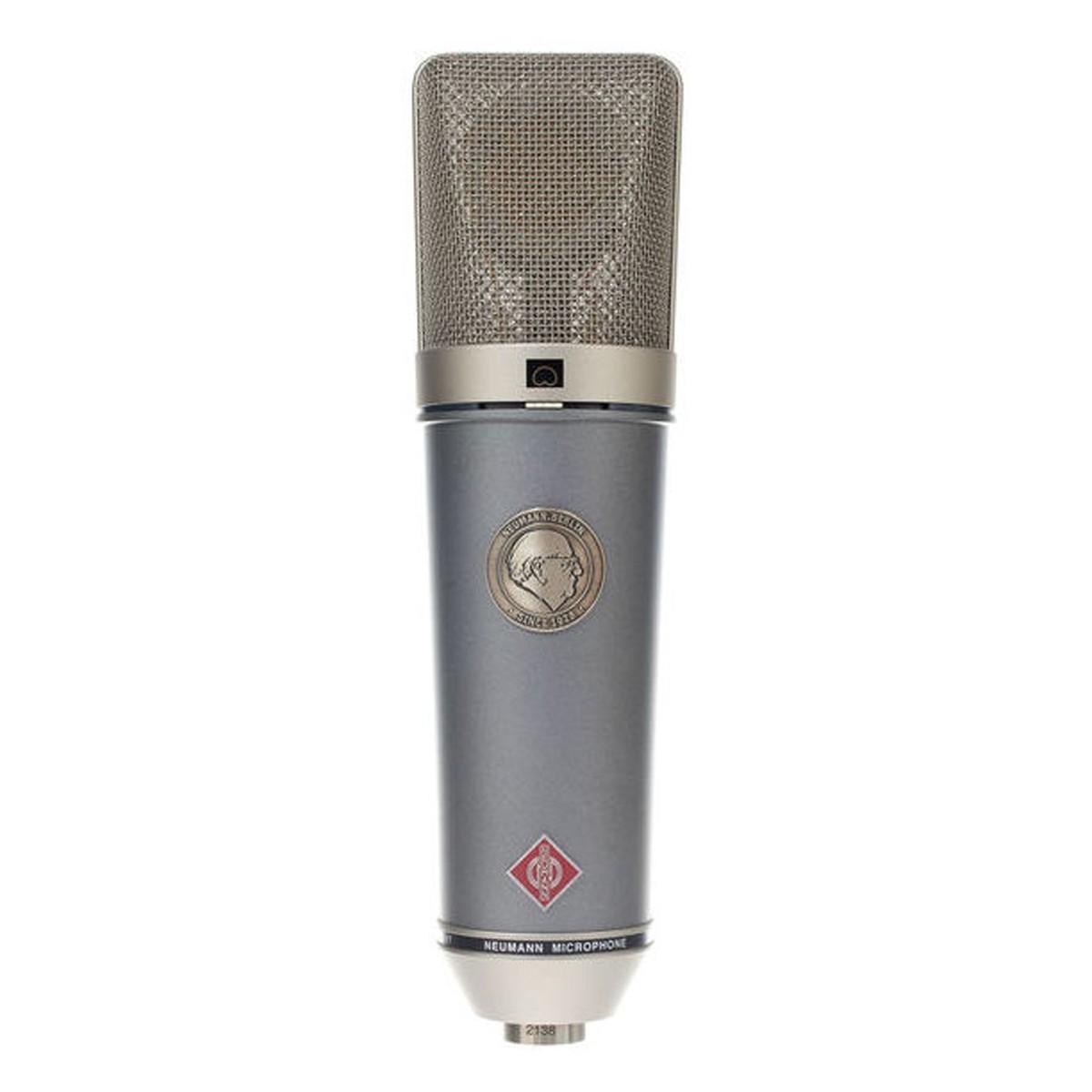


This product is currently unavailable for delivery to your country
Key Features
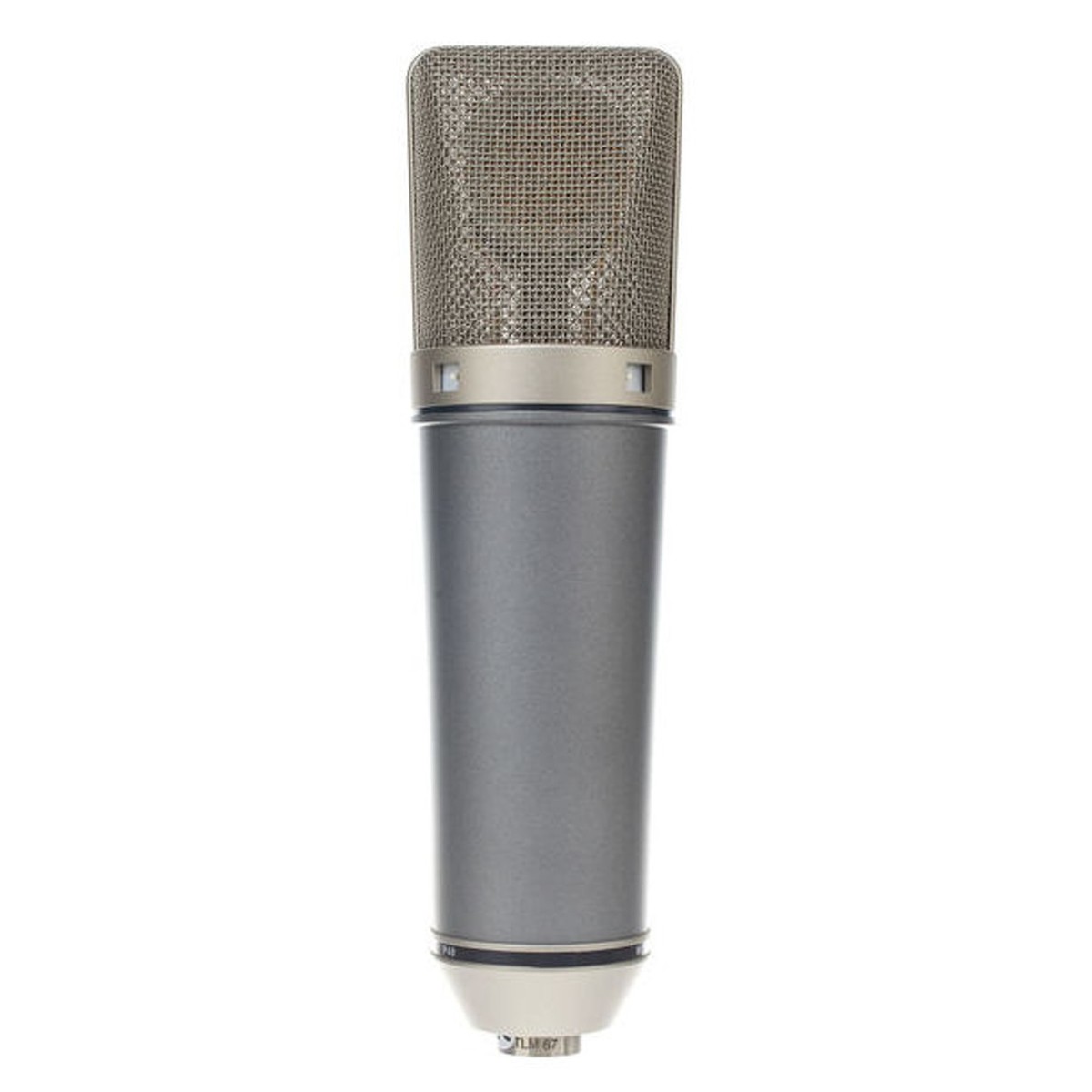
- Very Good condition secondhand product. Fully functional, inspected by our experts
- Features the same K67 capsule that lives inside the U67
- Incredibly versatile thanks to the three adjustable polar patterns
- Clean, transparent sound via transformerless circuitry
- Excels on any voice or instrument
Secondhand condition of this item: VERY GOOD
Product Ref: 374770
Full Description
View Full DescriptionWhich polar pattern should I use?
Boasting three polar patterns, the TLM 67 is a real work-horse;
Cardioid is excellent for delivering a tight-focused sound, whilst providing excellent off-axis rejection of around -6dB of unwanted noise and ambience. This is a great polar pattern to rely on when recording live performances, either on-stage, or, in-the-studio.
Fig. 8 picks up sound from the front and the back of the capsule whilst rejecting all sound coming from the side. This pattern has been a go-to trick for many producers recording two background vocals. When paired with another fig.8 microphone and carefully positioned it can also work wonders on capturing vocals and guitar from a single performer simultaneously. However, beware. Utilising this positioning enhances close proximity effect which can lead to an unnatural amount of low-end being reproduced by the microphone. There's good reason why many radio broadcasters opt for this pattern!
When you want to capture natural recordings it doesn't get much better than omni. Omnidirectional means that sound is picked up by the capsule within a 360 degree radius. Selecting this pattern allows you to get up-close on sources without the risk of proximity effect being introduced. This is a favoured pattern for many Grammy award winning engineers and producers when recording multiple string and brass players. It can also make the "Levee Break" when heavily compressed and used for drum room microphones!
Get the sound right at source
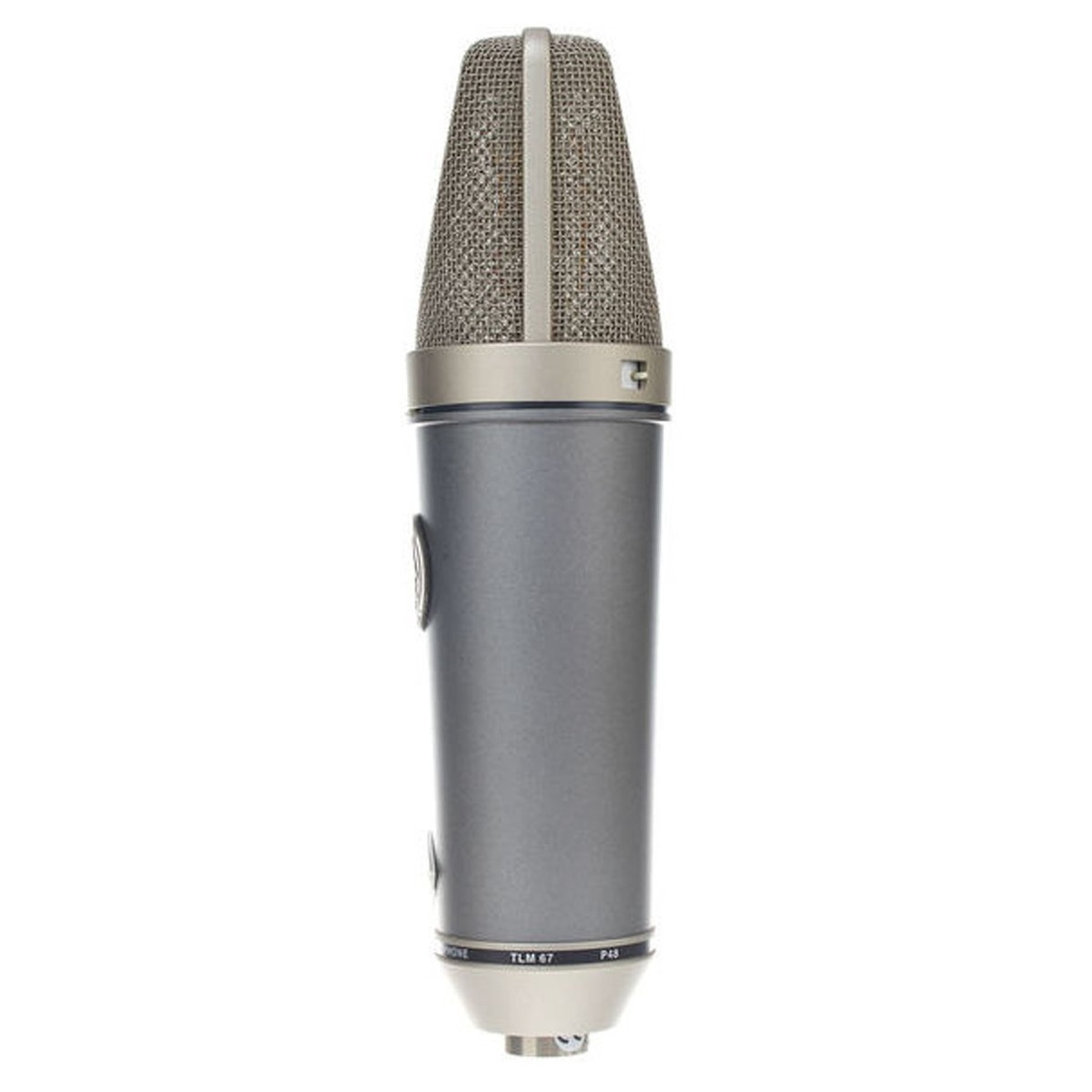
The versatile microphone features control settings that allow you to adapt to the ever changing activities within professional studio environments. A pre-attenuation switch on the back of the microphone reduces transmission levels by 10 dB to help deal with extremely high sound pressure levels. This allows you to record loud sources such as drums and amplifiers, free from the risk of distortion. The high-pass filter switch also ensures reduction of impact sound and wind noise by changing the cut-off point of low frequencies.
Features
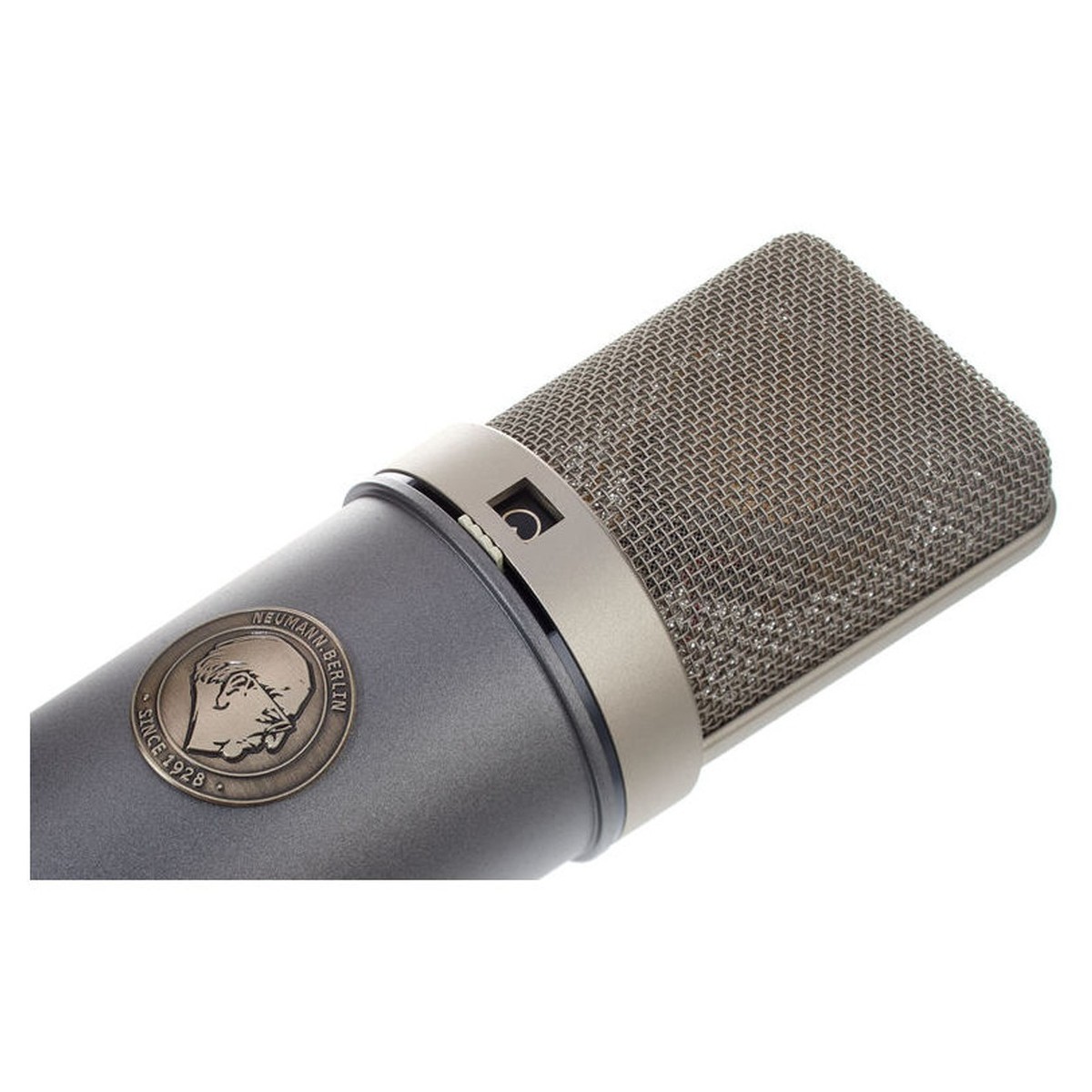
- Three switchable polar patterns with omnidirectional, cardioid & figure-8 settings
- Based on the revolutionary U67 microphone from the 1960s
- Designed for vocals, spoken voice, in orchestral recordings or for use with individual instruments
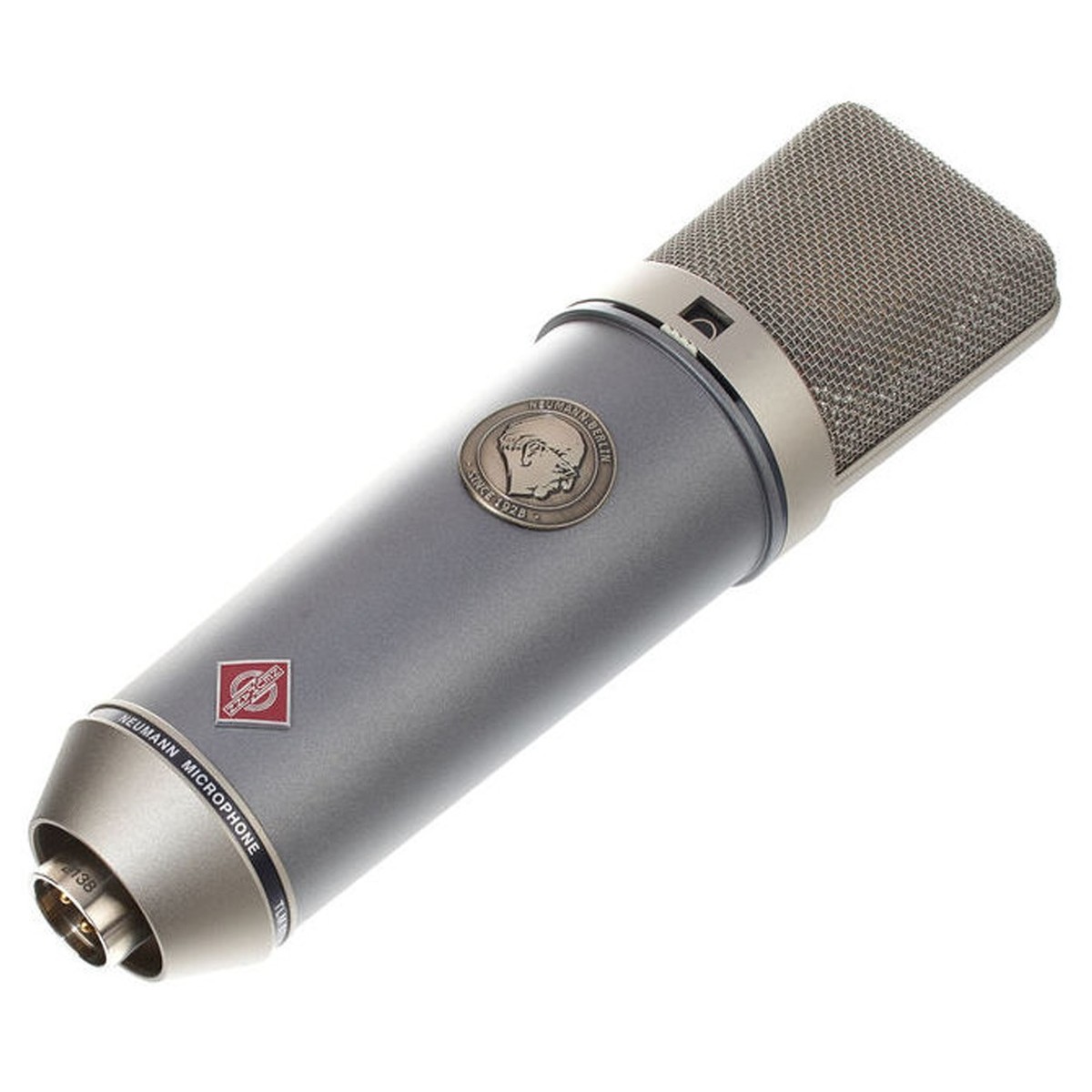
- Large wire mesh grille with elastically mounted double diaphragm capsule
- Switchable high-pass filter & pre-attenuation
- Transformerless circuit technology
- Dual-colour exterior design
Specifications
- Acoustic Operating Principle: Pressure Gradient Transducer
- Directional Pattern: Omnidirectional / Cardioid / Figure 8
- Frequency Range: 20Hz - 20kHz
- Sensitivity at 1kHz into 1k?
- Omnidirectional: 10 mV/Pa
- Cardioid: 18 mV/Pa
- Figure 8: 9 mV/Pa
- Rated Impedance: 50?
- Rated Load Impedance: 1k?
- Equivalent Noise Level, CCIR
- Omnidirectional: 29 dB
- Cardioid: 24 dB
- Figure 8: 30 dB
- Equivalent Noise Level, A-Weighted
- Omnidirectional: 16 dB-A
- Cardioid: 11 dB-A
- Figure 8: 17 dB-A
- Signal-To-Noise Ratio, CCIR
- Omnidirectional: 65 dB
- Cardioid: 70 dB
- Figure 8: 64 dB
- Signal-To-Noise Ratio, A-Weighted
- Omnidirectional: 78 dB-A
- Cardioid: 83 dB-A
- Figure 8: 77 dB-A
- Maximum SPL for THD
- Omnidirectional: 110 dB
- Cardioid: 105 dB
- Figure 8: 111 dB
- Maximum SPL for THD
- Omnidirectional: 130 dB
- Cardioid: 125 dB
- Figure 8: 131 dB
- Maximum Output Voltage: -1 dBu
- Power Supply: P48
- Matching Connector: XLR 3F
- Weight: 490 g
- Dimensions
- Diameter: 56 mm
- Length: 200 mm
- Product Code: 008605
| Reviews of our service
View all