
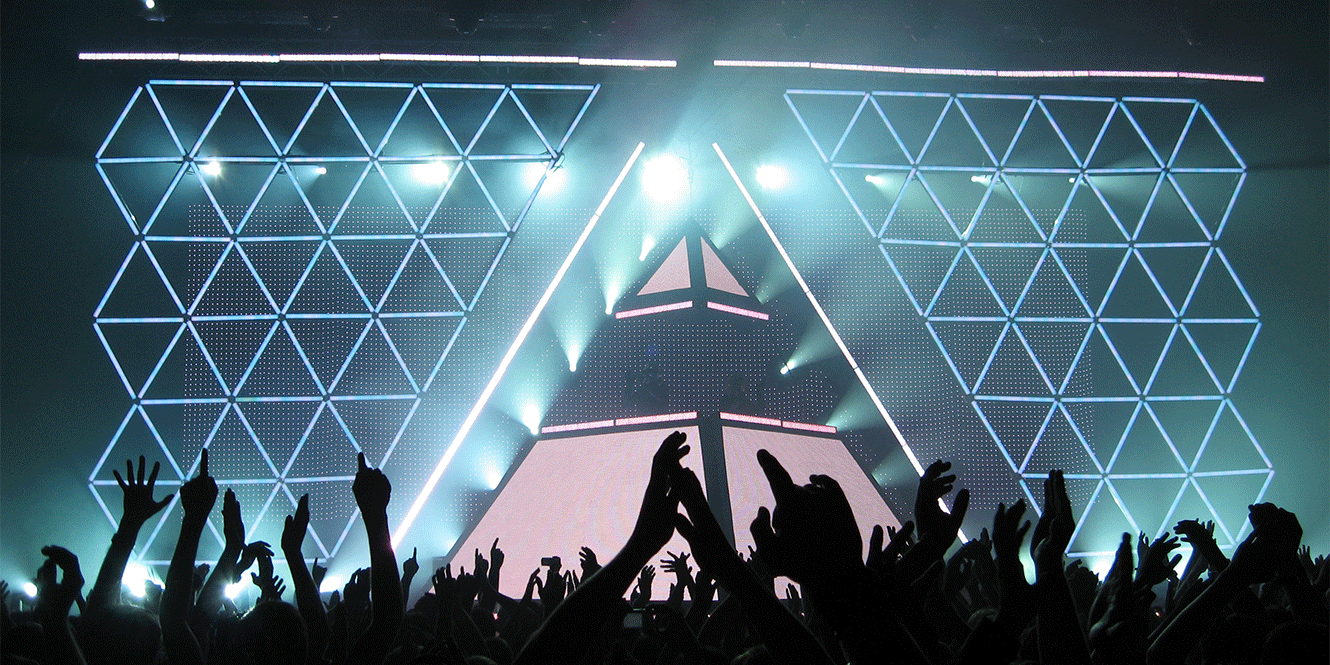

Featured image: Creative Commons License by Andreas H
EDM is everywhere. From main stage festival anthems and Ibiza residencies to underground warehouse raves and viral TikTok trends, electronic dance music has shaped the sound of modern culture. You’ll hear its influence in pop hits, hip-hop crossovers, gym playlists, game soundtracks, and adverts. And yet, despite how common it is, there’s still confusion around one simple question: what is EDM?
For some people, EDM means huge drops, fireworks, and superstar DJs. For others, it’s dark techno in a basement club at 3 AM. Some use the term to describe any music made with a laptop and synths. That mix of meanings has blurred the lines between genres and scenes, leaving plenty of listeners unsure what the term really covers.

Key takeaways
- EDM stands for Electronic Dance Music
- It’s an umbrella term covering genres like house, techno, trance, dubstep, and drum and bass
- EDM is produced primarily using electronic instruments, drum machines, synthesisers, and digital audio workstations
- The term became mainstream during the 2010s US festival boom
- Many people misuse “EDM” to describe only commercial festival-style music
- EDM’s roots stretch back to the 1970s and ’80s underground club scenes
- Each sub-genre has its own tempo, rhythm patterns, and cultural background
- Learning a few “tells” (tempo, kick pattern, and bass style) makes EDM far easier to recognise
What is EDM?
EDM stands for Electronic Dance Music. It refers to music created primarily with electronic production tools and designed for dancing. The defining characteristics are rhythm, repetition, groove, and energy. Vocals can be part of it, but the beat and production are usually the main focus.
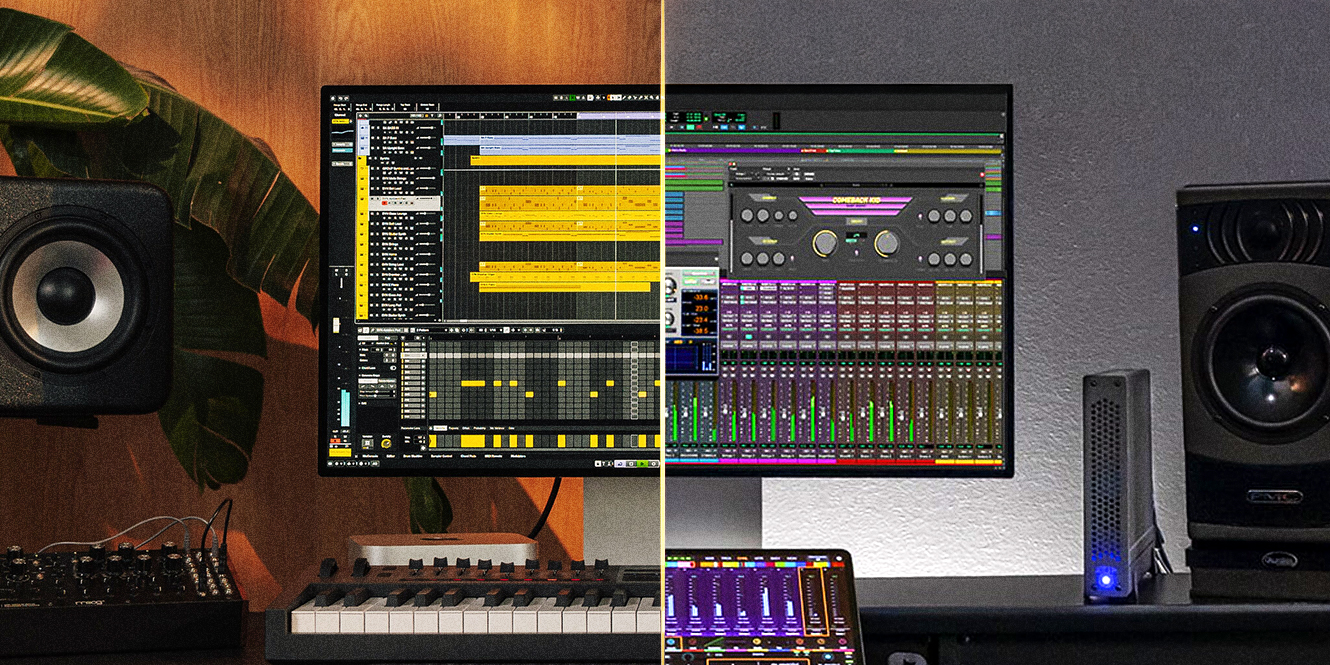
Most EDM is produced inside a digital audio workstation (DAW). Producers build tracks layer by layer: drums, bass, synths, samples, vocals, and effects. They can automate tiny changes over time and sculpt sounds in detail, which is why EDM can feel both simple and highly engineered at once.
Even a single kick drum might be made from multiple layers, with EQ, saturation, and sidechain compression shaping how it punches through the mix.
Dance music structures are often practical. DJs need intros and outros for mixing, and the crowd needs a steady groove that rises and releases in tension. That’s why you’ll hear build-ups, breakdowns, and drops. Not every sub-genre uses them the same way, but controlling energy over time is a common thread.
Hardware is still important. Drum machines and grooveboxes give hands-on rhythm programming, while synthesisers shape basslines and melodies.
The Roland TR-8S Rhythm Performer is great for creating punchy drum sounds and quick pattern building. The Korg Minilogue is a go-to for warm analog basses, chords, and leads. And for home production, monitors like the KRK Rokit RP5 G5 Active Studio Monitors are common because EDM relies so much on low-end clarity.
The biggest point is that EDM is not one genre. It’s a broad umbrella with many sub-genres, each with its own sound, tempo, and scene.

Creative Commons License by Mani9flores
EDM sub-genres
House
House music began in Chicago in the early 1980s. It’s built around a steady four-on-the-floor kick drum pattern, usually between 120 and 130 BPM. That consistent pulse makes it perfect for clubs and long DJ blends. House basslines often feel “bouncy” or “rolling”, and the groove is usually designed to keep you moving for minutes at a time.
Early house blended disco influence, drum machines, and soulful vocal samples. Over time, it split into lots of flavours, including:
- Deep house: warm chords, smooth basslines, subtle groove, often more “late night” than “main stage”
- Tech house: tighter, more minimal arrangements with percussion and low-end driving the track
- Progressive house: longer builds, layered melodies, and big emotional peaks
A simple listening clue is the kick pattern. If the kick hits on every beat and the track feels “rolling”, you’re often in house territory.
Techno
Techno developed in Detroit during the 1980s. Compared to house, it feels more mechanical and hypnotic. Vocals are usually minimal, and the track evolves through small changes in texture and rhythm. In many techno tracks, the “hook” is a pattern: a synth stab, a hi-hat rhythm, or a bass rumble that slowly transforms.
Techno commonly sits between 125 and 140 BPM. Sub-genres include:
- Minimal techno: stripped-back loops and tiny variations
- Industrial techno: heavier, darker, often distorted percussion
- Melodic techno: driving drums with emotional synth progressions
Techno is often described as a “journey” because its tension builds gradually rather than arriving in one big drop.
Trance
Trance rose to prominence in the 1990s across Europe. This sub-genre of EDM is defined by more emotional melodies and atmospheric breakdowns. Where techno can feel dark and steady, trance often aims for a feeling of lift, release, and euphoria.
Trance typically runs between 130 and 145 BPM. As well as long build-ups, a breakdown where the drums drop out, and a return of the beat, it’s also common to hear bright, layered synth leads and wide pads that fill the space.
Sub-genres include:
- Uplifting trance: soaring leads and big euphoric releases
- Progressive trance: smoother movement and more gradual builds
- Psytrance: faster, hypnotic rolling basslines and psychedelic sound design
Dubstep
Dubstep originated in South London in the early 2000s. Early dubstep was spacious and sub-heavy, built around deep bass and syncopated drums. Silence and negative space are part of what makes it hit, because they let the low end feel enormous.
Later, a more aggressive variation gained global attention, known as “brostep”. This version focused more on dramatic build-ups and heavy bass drops whilst sacrificing the moodiness and pure underground sound that dubstep originated from.
The mainstream version of dubstep shaped the public perception of EDM during the 2010s festival boom. Sound design became the star, with bass tones that snarl, wobble, and snap.
Dubstep is usually around 140 BPM, with a half-time feel that makes it sound slower and heavier.
Drum and bass
Drum and bass emerged from the UK rave scene in the early 1990s. It’s fast and energetic, typically between 160 and 175 BPM, and it’s built around chopped breakbeats rather than a straight four-on-the-floor kick. Because the drums move so quickly, DnB often feels intense and physical, even at lower volumes.
Common sub-genres include:
- Liquid DnB: melodic, soulful, often vocal-led
- Neurofunk: technical bass design and tight, complex drums
- Jump-up: bouncy, crowd-friendly grooves
Other sub-genres
EDM also includes future bass, hardstyle, UK garage, electro house, big room, breakbeat, and plenty of hybrid styles that pull from two or three genres at once. Future bass often leans into shimmering chords and sidechained “pumping” movement. Hardstyle is faster and harder-edged, with punchy kicks and rave-style energy. UK garage often uses swung rhythms and shuffling drums that feel lighter on their feet.
Some of these styles overlap with pop songwriting, while others are built almost entirely for DJs and sound systems. That variety is exactly why EDM works best as an umbrella term.
A brief history of EDM
1970s: Electronic experimentation
In the 1970s, artists began experimenting seriously with synthesizers and drum machines. Disco producers extended dance tracks for club DJs, creating longer mixes built around steady rhythmic pulses. The DJ became a central figure, and dance music started to develop its own club-first rules.
1980s: House and techno emerge
Chicago house and Detroit techno took shape in the 1980s through drum machines, synthesisers, and underground club culture. DJs and vinyl networks helped spread the music internationally, and local scenes formed around specific clubs, labels, and sounds.
1990s: Rave culture explodes
The 1990s saw massive growth in rave culture across the UK and Europe. Trance, jungle, hardcore, and drum and bass thrived in warehouses and superclubs. Sub-genres became stronger identities, with different tempos and different crowds, and dance music became a full culture, not just a genre.
2000s: Home production revolution
Affordable software changed everything. Producers no longer needed expensive studios to create tracks. Online platforms accelerated discovery and collaboration, and genres like dubstep gained global attention. Remix culture also exploded, helping ideas travel quickly between scenes.
2010s: EDM goes mainstream
Large-scale US festivals pushed electronic music into mainstream pop culture. Big-room sounds and bass-heavy drops dominated huge stages, and “EDM” became the common catch-all label. Dance music also blended more openly with pop, with vocals and radio structures becoming more common in festival-friendly tracks.
2020s: Genre boundaries blur
Today, EDM blends with pop, hip-hop, indie, and experimental music. Streaming and social platforms allow both mainstream hits and niche sub-genres to thrive side by side, and producers can build global audiences without traditional gatekeepers.

Creative Commons License by Exit Festival
Why is “EDM” often misused?
EDM technically refers to all electronic dance music, but it’s often used to mean only one slice of it: commercial festival tracks with big builds and explosive drops. That association grew during the 2010s, when those sounds were the most visible part of dance culture in mainstream media.
So, when someone says, “I don’t like EDM,” they often mean they don’t like that festival style. They might still enjoy house grooves, techno nights, or drum and bass, but they don’t connect those genres to the EDM label. That’s also why EDM can feel like a US-leaning term, while some European scenes prefer specific genre names.
The term stuck because it’s convenient. Promoters and media can market an “EDM event” instead of explaining a dozen sub-genres. Over time, the label became tied to an image: lasers, confetti, huge stages, and superstar DJs. In underground communities, that image can feel disconnected from club-first culture, where the DJ booth is small and the focus is on the groove, not the spectacle.
There’s also a second kind of misuse: people calling any electronic music “EDM”, even if it isn’t made for dancing, like ambient or cinematic synth music. Similar tools, different purpose.
EDM artists and tracks you should know about
Daft Punk – “One More Time”
A French house anthem built on a bright groove, tight rhythm, and instantly recognisable hook. It helped normalise electronic production in mainstream pop, and you can still hear its influence in modern dance-pop mixing and songwriting.
Avicii – “Levels”
A defining track of the 2010s festival era. Its uplifting melody and driving rhythm helped bring EDM to a wider mainstream audience. Avicii also influenced the way many festival tracks prioritised strong chord progressions and memorable lead melodies.
Digital Mystikz – “Anti-War Dub”
Regarded as one of the most quintessential dubstep tracks ever created, “Anti-War Dub” embodies everything about the early years of the genre that catapulted the scene from the underground. Blending elements of dub music with electronic drums at 140BPM.
Armin van Buuren – “Shivers”
A trance classic that blends emotional breakdowns with euphoric, energetic releases. It’s a good reference for trance structure: long build, big atmosphere, then a return of the beat that feels like a shared crowd moment.
Goldie – “Inner City Life”
A drum and bass milestone pairing intricate breakbeats with rich musical layers. It shows how detailed rhythm programming can carry emotional weight, and why DnB is often praised for both technical skill and atmosphere.

Creative Commons License by Daniel nexus
FAQs
What does EDM stand for?
EDM stands for Electronic Dance Music. It’s a broad term used for electronically produced music designed primarily for dancing. In everyday use, some people mean a specific mainstream festival sound, but the umbrella includes many sub-genres, from house and techno to trance, dubstep, and drum and bass.
Is EDM a genre or a style?
EDM is an umbrella term rather than a single genre. House, techno, trance, dubstep, and drum and bass are all distinct genres with different tempos and drum patterns, but they all fall under the wider EDM category.
What is the difference between EDM and techno?
Techno is a specific genre within the wider EDM umbrella. EDM is the broad category. Techno tends to focus on repetitive rhythms, minimal vocals, and gradual changes that create an immersive groove. Many techno tracks are designed for long DJ mixes, so the structure can feel more continuous and less “drop-focused” than festival EDM.
Final thoughts
So, what is EDM? It is electronic dance music in all its forms, from house and techno to trance, dubstep, and drum and bass. It’s shaped by decades of innovation and built with drum machines, synthesisers, samplers, and modern production software.
The reason the term gets misused is that the perception of the genre has been simplified, especially during the festival era, to the point that it sometimes means only one commercial sound. In reality, EDM is a huge umbrella with deep underground roots and a lot of variety.
EDM is a useful shorthand, but the detail lives in the sub-genres. Knowing a few genre names makes the whole scene easier to explore and enjoy.




0 Comments