

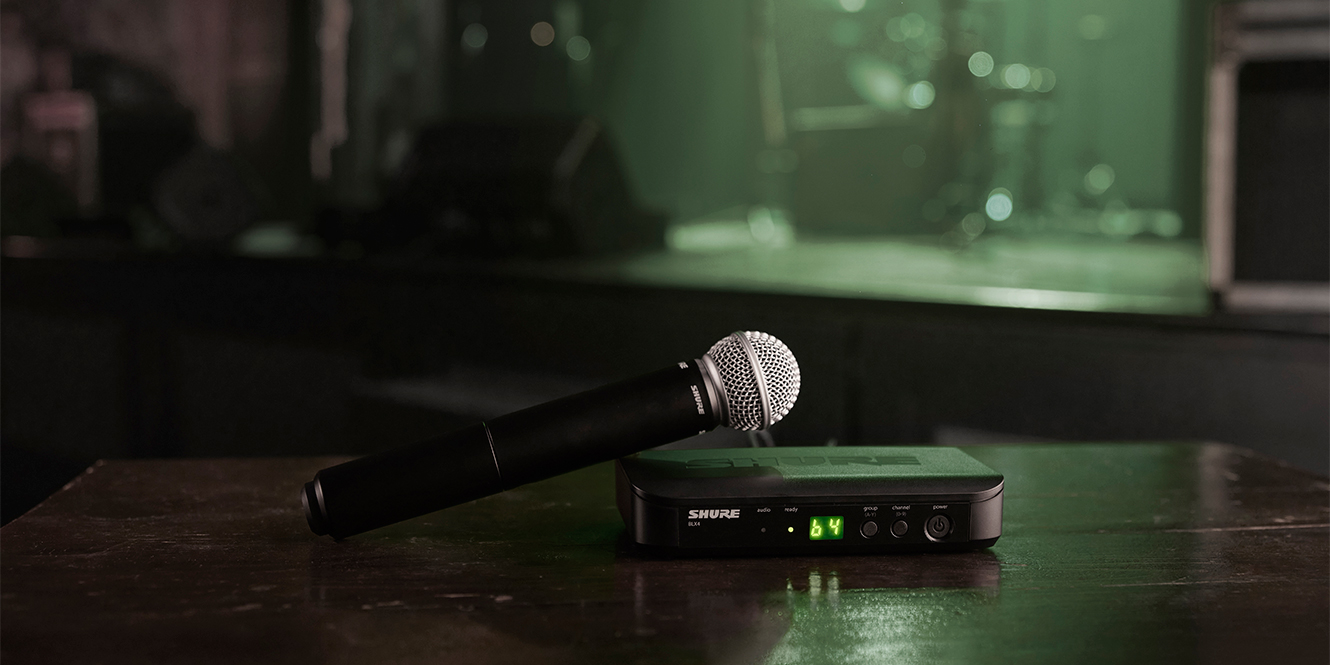

Looking for a new dynamic mic to use either live or in the studio? The best dynamic microphones are ones that are built to last, with the correct pickup pattern to suit your sound source, and the ability to handle loud noise. In this guide, we’ll walk you through our top 13 picks available now and help you choose the right one for your sound and setup.
There are plenty of different types of dynamic mics, so it may seem confusing as to what to buy. But here, we’ve covered all bases. Whether you’re a jungle MC, a soprano, a podcaster, or a drummer looking for some nice mics for your acoustic kit, we’ve tried to give you as varied a picture of dynamic mics as we can.

In a hurry?
If there’s no time to waste, and you need to find a decent mic, here’s a shortlist of our top three.
| Shure SM58 | The world’s most trusted live vocal mic, built to last and easy to use on any stage. | Check the current price |
| Rode Podmic | Fantastic little microphone for podcasting at a great price point for entry-level creators. | Check the current price |
| G4M Dynamic Broadcast Microphone | An affordable, all-around workhorse that delivers impressive quality for the price. | Check the current price |
Why we’ve chosen these mics
We’ve chosen these dynamic microphones for their balance of quality, reliability, and value. Each one has earned its place through solid build, clear sound, and the ability to perform well in real-world situations.
You’ll find a mix of price points, from budget-friendly options to professional models trusted in studios and on stages worldwide. Every mic has been picked for how well it handles its intended role, whether that’s delivering crisp vocals, capturing drums, or producing broadcast-ready speech.
Our aim is simple: to help you find a microphone that feels right for your setup and gives you dependable sound, every time you use it.
The best dynamic microphones
1. Shure SM58 Dynamic Cardioid Vocal Microphone
 Key features
- Cardioid pickup pattern
- Built-in pop and wind filter
- Tough metal grille and body
Pros
- Arguably, the most popular microphone on the market
- Built to handle years of gigs and travel
- Smooth, warm tone that suits most singers
Cons
- Not the most sensitive mic
Few microphones have earned their reputation quite like the SM58. It’s everywhere, from small pubs and clubs to packed arenas, because it simply does the job every time. It sounds great, feels solid, and takes years of use in its stride without complaint.
Its story actually starts with the Shure 565SD, which made its mark at Woodstock in 1969 and was famously used by Freddie Mercury in Queen’s early days. That mic proved Shure could make something tough enough for the road and refined enough for big stages. The SM58 was built on that success, adding a warmer, more focused sound that made it the standard for live vocals.
On stage, it’s known for its consistency. The cardioid pickup pattern keeps the focus on your voice while cutting out crowd noise and feedback, and the built-in pop filter softens plosives and wind noise. It’s also used in smaller studios and rehearsal rooms because it’s reliable, easy to work with, and delivers a natural tone.
The SM58 remains one of the most trusted microphones ever made and continues to be the first choice for countless performers around the world.
2. Rode Podmic Dynamic Podcasting Microphone
 Key features
- Cardioid pickup pattern tuned for speech
- Built-in pop filter
- All-metal body
Pros
- Delivers a clear, broadcast-quality voice
- Solid and reliable construction
- Affordable entry point for podcasters
Cons
- Needs a decent preamp or audio interface for best results
Another great podcast mic, the Rode Podmic is designed to be accessible for anyone looking to get into the world of podcasting or content creation. It has a warm, balanced tone that gives voices a polished finish without needing much editing or EQ.
Rode are an Australian company known for creating affordable and dependable microphones. Their gear has become a firm favourite among podcasters, broadcasters, and musicians around the world. The Podmic is a perfect example of that reputation, offering great sound and solid engineering at a very fair price.
Not much setup is required, as the mic has been tuned specifically for speech, so it captures every word clearly while keeping unwanted noise to a minimum. The built-in pop filter helps soften plosives, and the all-metal body feels reassuringly sturdy, making it ideal for daily use.
It pairs neatly with Rode’s RØDECaster range but works just as well with any good audio interface or preamp. For the price, it is hard to find another mic that offers this mix of performance and durability. If you’re starting a podcast or building a simple recording setup, the Podmic is an excellent place to start.
3. G4M Dynamic Broadcast Microphone with USB
 Key features
- Dual USB and XLR connectivity
- Cardioid pickup pattern
- Solid metal construction with included shockmount and pop filter
Pros
- Works straight out of the box with any setup
- Great balance of quality and affordability
- Ideal for podcasting, streaming, and home recording
Cons
- Lacks the extra tone-shaping options found on premium models
The G4M Dynamic Broadcast Microphone is a fantastic multi-tool of a microphone and one of the best when it comes to affordability, quality, and utility. It is a proper all-around workhorse that gives you a lot of mic for your money.
With both USB and XLR connections, it fits easily into any recording setup. You can go straight into your computer for quick recordings or connect it through an audio interface for a more professional signal chain. The cardioid pickup pattern keeps your voice clean and focused, and the included pop filter helps smooth out any harsh sounds.
It feels reassuringly solid, too, made from metal with a bit of weight behind it. For a budget-friendly mic, it punches well above its price point and proves that good sound does not have to cost a fortune.
4. Sennheiser e945 Dynamic Vocal Microphone
 Key features
- Supercardioid pickup pattern
- All-metal body with internal shockmount
- Neodymium magnet
Pros
- Excellent noise rejection on busy stages
- Smooth, detailed sound for strong vocal presence
- Built to last with solid German engineering
Cons
- Slightly heavier than some handheld mics
Hold the Sennheiser e945 in your hand, and you’ll feel how well-built it is straight away. Designed for demanding live performances, it brings a sense of studio clarity to every show. Its supercardioid pickup pattern focuses tightly on your voice, helping it stay clear and steady even when the volume rises around you.
There’s a warmth and openness to the sound that flatters most singing styles. In terms of feedback suppression and reduction of unwanted noise, the E945 is a standout choice, with an internal shockmount that keeps handling noise to a minimum. The e945’s capsule, the MMD 945, is also a favourite for Sennheiser’s wireless systems, giving performers the same trusted sound in a cable-free setup.
For singers looking to move beyond the SM58, the e945 offers more clarity and control while keeping the rugged reliability you need on stage. It’s a dependable, great-sounding mic that works hard wherever you take it.
5. Lewitt MTP 5 Live Vocal Microphone
 Key features
- Specially tuned dynamic vocal capsule
- Cardioid pattern with controlled off-axis response
- Rugged full-metal build for touring
Pros
- Clear vocals that cut through
- Strong gain before feedback
- Versatile across stage and broadcast
Cons
-
Slightly heavier than some alternatives
The Lewitt MTP 5 is built to give you clarity and control in demanding environments. Its specially-tuned dynamic capsule has a frequency range of 50 to 17,000 Hz, providing solid low-end support and detailed highs so your vocals remain present in a busy mix without sounding brittle.
If you have subtle nuances in your vocal performance that need to be captured clearly, this is the mic. Whether you’re using it for lead vocals, backing vocals, or spoken word – or even broadcasting, podcasting, or instrument recording – everything comes across naturally and expressively.
The cardioid polar pattern keeps the focus on what’s directly in front of the microphone, reducing spill from the sides and rear. Its optimised off-axis response then manages high-frequency content from loud instruments such as drums, helping you avoid harshness and maintain definition.
Plus, the MTP 5 has good resistance to feedback and allows you to run high monitor levels while staying in control of your sound – great for loud stages.
In terms of physical durability, the mic comprises an all-metal body, grille, and mesh for long-lasting ruggedness. And there are practical touches, like the rubber-suspended capsule for reducing handling noise, a metal ring for discouraging cupping, and a washable windscreen for hygienic use.
6. Shure SM7B Dynamic Studio Microphone
 Key features
- Cardioid pickup pattern
- Switchable bass roll-off and presence boost
- Built-in air suspension system
Pros
- Smooth, natural tone ideal for vocals and speech
- Handles loud sources without distortion
- Excellent noise rejection in untreated rooms
Cons
- Needs plenty of clean gain from a preamp or booster
Once you know the Shure SM7B, you start spotting it everywhere. It’s used on loads of podcasts, such as The Rest Is History, Liverpool’s Hot Water Comedy Club Green Room Podcast, and even Joe Rogan’s long-running podcast. There’s a good reason for that. It ensures voices sound natural, balanced, and easy to listen to.
All this makes the SM7B perfect for YouTube videos, streaming on Twitch, recording audiobooks, and many other recording and streaming applications that aren’t necessarily hosted in a professional studio, but rather a pop-up space or home environment.
Flip it around and you’ll see two simple switches on the back for bass roll-off and presence boost. They let you fine-tune your sound without any fuss, whether you’re recording speech or singing. Inside, an air suspension system helps stop bumps and vibrations from travelling up the stand, keeping your audio clean and focused.
Although it’s known mainly as a podcast and vocal mic, the SM7B can do a lot more. It’s great on guitar amps, brass, and drums, handling high volumes without distortion. Add a decent preamp or gain booster, and you’ll see why so many people reach for it time and time again.
7. Electro-Voice RE20 Dynamic Cardioid Microphone
 Key features
- Variable-D design
- Cardioid pickup pattern
- Internal pop filter and shockmount
Pros
- Smooth, consistent tone for voice and instruments
- Built to last with a solid, broadcast-ready design
- Picks up every nuance tightly within its polar pattern
Cons
- Quite large and heavy compared to handheld mics
Electro-Voice began with a clever idea from the 1920s. When coach Knute Rockne struggled to be heard at football practice, company founders Lou Burroughs and Al Kahn built him a PA system. Rockne called it his “electric voice”, which inspired the name Electro-Voice when the company was formed in 1930.
These days, they’re known for high-quality PA systems, but microphones have always been their foundation.
The RE20 really shines as a broadcast mic, used in studios around the world, including NTS Radio in their London Studio.
While writing this article, I was listening to the NTS Breakfast show, and in the Discord live chat, I asked host Flo Dill to share her thoughts on the mic. She told me, “I love the microphones in the NTS studio. If anything, they are TOO powerful. They pick up everything, including scrolling on a CDJ, which is as quiet as a mouse. Love ’em.”
That sums it up nicely. The RE20 captures low end really well, and the high frequencies don’t ring too sharp at all. This results in a velvety smooth sound texture across the frequency range, giving your ears the warmth and detail of the voice you are listening to, as if they were sitting next to you.
Its Variable-D design keeps the sound consistent even if you move, and it handles instruments just as well as speech. It’s one of those mics that simply makes everything sound right.
8. Universal Audio SD-3 Dynamic Microphone with Hemisphere Modelling
 Key features
- Hemisphere mic modelling with vintage tone options
- Cardioid pickup pattern
- Low self-noise and high SPL handling
Pros
- Extremely versatile with digital sound shaping
- Great for vocals, drums, and amps
- Strong build and clean tone straight out of the box
Cons
- Needs UA hardware to unlock all modelling features
Universal Audio has been around for decades, earning a reputation for building some of the finest studio gear ever made. Their classic analog equipment is still loved today, but in the modern era, they’ve made their mark by combining hardware and software to create detailed modelling systems that recreate famous studio gear from the past and beyond.
It’s a nice touch from UA to release something like the SD-3, an affordable microphone that works perfectly alongside their audio interfaces. It gives musicians and creators access to Universal Audio quality without the hefty price tag that usually comes with their name.
The Hemisphere mic modelling system lets you switch between the tones of several classic microphones, so you can shape your sound without needing a full collection of mics. Its cardioid pickup pattern keeps things tight and focused, making it great for vocals, amps, or drums. Sturdy, clean, and easy to use, the SD-3 is a smart little addition to any home or project studio.
9. Aston Stealth Broadcast Microphone
 Key features
- Four switchable voice settings
- Class A preamp built inside the mic
- Automatic gain switching
Pros
- Exceptionally versatile for voice and instruments
- Unique design with built-in preamp
- Handmade and designed in the UK
Cons
- A little larger and heavier than most dynamic mics
Manufacturing in the UK, Aston might be a relatively young brand, but they’ve quickly become one of the UK’s standout microphone makers. The Stealth is their take on a true broadcast mic, built to handle studio vocals, podcasts, and live instruments with equal confidence. It’s stylish, solid, and full of smart engineering.
One of its cool features is the minimalistic four-position voice selector. Each setting changes the character of the mic, from warm and full-bodied to bright and detailed. Switching between them is simple. You just twist the ring at the base of the mic to find the sound that fits your voice or instrument. It is a clever way to get multiple microphone tones in one unit and saves a lot of time when you are recording different sources.
There is also a built-in Class A preamp that activates automatically when you plug in phantom power, giving your signal extra gain and clarity. When you don’t need it, the mic switches seamlessly to passive mode. It’s an elegant bit of design that makes the Stealth feel genuinely advanced yet easy to use.
As it’s built here in the UK, its quality feels sturdy and the design looks fantastic. If you want a mic that sounds as good as it looks and gives you real flexibility, the Aston Stealth is an excellent all-rounder.
10. AKG D112 MkII Kick Drum Microphone
 Key features
- Large-diaphragm design
- Integrated hum-compensating coil
- Robust housing for live and studio use
Pros
- Powerful low-end response perfect for kick drums and bass
- Durable and road-ready construction
- Easy to position and reliable in any setup
Cons
- Too focused on the low-end for general vocal use
This is a very specific-purpose microphone, and it does that job brilliantly. The AKG D112 MkII has become a staple for anyone who needs to capture real low-end energy. You’ll spot it tucked inside kick drums on festival stages, sitting in front of bass amps in studios, or clipped onto floor toms when engineers want a bit more weight.
Low-end specific mics like this are essential in live and studio setups because regular vocal or instrument mics simply cannot handle the pressure of low-frequency signals. The D112 MkII thrives in those moments, comfortably taking on the booming hit of a kick drum without distorting or muddying the mix. It gives that solid, punchy thud that you can feel as much as you hear.
To be fair to it, it’s also surprisingly flexible. Some engineers use it on trombones or even upright bass when they need a thick, grounded sound. While it’s not built for vocals, its ability to capture those deep frequencies makes it one of the most reliable low-end tools around. The D112 MkII is the kind of mic that just does the job with no fuss, and that is why it’s a trusted option.
11. sE Electronics V7 Dynamic Microphone
 Key features
- Supercardioid pickup pattern
- Patented integrated shockmount
- Custom-voiced capsule
Pros
- Sleek, modern design with a sturdy metal build
- Great feedback rejection on stage
- Clear, lively sound that suits most singers
Con
- Can be slightly bright for softer vocal tones
The sE Electronics V7 looks as good as it sounds. It has a sleek, modern design with clean lines and a solid feel that makes it stand out on stage. It’s not too expensive either, coming in cheaper than most Sennheiser and Shure mics!
Sound-wise, it’s crisp and detailed, giving vocals a bit of sparkle without becoming harsh. The supercardioid pickup pattern focuses tightly on your voice, helping to keep stage noise under control and preventing feedback. It’s a confident-sounding mic that cuts through a live mix while keeping things natural.
Its internal shockmount helps reduce handling noise, and the bright red internal windscreen adds a touch of personality. The V7 is a great example of a modern vocal mic that balances style, performance, and durability. If you want something sleek that sounds every bit as good as it looks, this one is well worth considering.
12. Warm Audio WA-19 Dynamic Studio Microphone
 Key features
- Vintage-inspired design based on classic 1960s dynamic mics
- Cardioid pickup pattern
- Compact, lightweight body
Pros
- Smooth, vintage-style tone with plenty of character
- Great for vocals, guitars, and drums
- Classic look and solid metal construction
Cons
- Lacks the brightness of more modern designs
If you want a vintage flavour to your recordings, or if you live in a yellow submarine, you may want to try the Warm Audio WA-19, which is a faithful recreation of a famous mic used in the golden age of British recording.
It’s based on a microphone that was famously used in Abbey Road Studios during the 1960s, when bands like The Beatles were shaping the sound of modern pop. You’re not suddenly going to sound like John Lennon or Paul McCartney, but this mic definitely captures some of that vintage charm.
It has a smooth, rounded tone that feels right at home in indie rock or Britpop tracks. Vocals sit nicely in the mix, guitars sound full and rich, and there’s a natural softness that takes the edge off harsh recordings. It’s the kind of sound that feels familiar straight away.
Light, compact, and easy to place around amps or drum kits, the WA-19 is a great addition to any home or project studio chasing that retro vibe. It’s affordable, too, which makes it an easy way to add a bit of ’60s character to your modern setup.
13. AKG D5 Dynamic Vocal Microphone
 Key features
- Supercardioid pickup pattern
- Dual shockmount
- Integrated pop filter
Pros
- Crisp, lively sound that cuts through a mix
- Excellent feedback resistance
- Strong, durable build for regular gigging
Cons
- Can sound a little bright for some voices
Punchy and reliable, the AKG D5 has quietly built a reputation as a great all-rounder. It might not be the most famous microphone on the market, but it’s versatile, tough, and great value for money. You can rely on it for consistent performance, whether you’re rehearsing in a small space or playing a packed venue.
Its supercardioid pickup pattern helps keep your vocals clear and upfront, cutting through background noise with ease. The dual shockmount ensures handling noise is low, and the solid metal build feels reassuring in the hand.
While it’s not the most refined vocal mic out there, the D5 is versatile. It’s just as capable on a snare drum or guitar amp as it is on vocals. If you need a mic that can handle a bit of everything without fuss, the D5 is a great choice that continues to hold its own.
What is a dynamic mic?
A dynamic microphone is built to be strong, simple, and reliable. Inside, it uses a coil of wire and a magnet to turn sound into an electrical signal. Because it doesn’t need external power, it’s ideal for live vocals, drum kits, guitar amps, and podcast setups. You’ll find them in situations where clear, consistent sound is needed, in a compact and portable format.
Sound moves in waves, quite like water. A dynamic microphone catches those waves, using their movement to shift a magnet against a conductive coil. That motion creates the electrical signal that becomes the sound you hear through your speakers.
Dynamic vs. condenser microphones
Dynamic and condenser microphones are simply two different designs, each suited to slightly different jobs. Condenser mics are more detailed and sensitive, and they usually need phantom power to work. Dynamic mics are tougher, more forgiving, and better at handling loud sources without fuss.
Some modern microphones blur the lines by offering features from both worlds, but the general idea stays the same. If you want clarity and fine detail in a controlled room, a condenser is usually the better fit. If you need something sturdy that copes well with noise, movement, or high volume, a dynamic mic is often the easier and more reliable choice.
How to choose the best dynamic microphone for you
A good dynamic microphone starts with solid build quality. These mics are designed to take a few knocks, so you’ll want to look for a mic with a tough metal body and a sturdy grille. They’re made for busy stages and studio setups where durability matters just as much as sound.
The right mic for you depends on how you plan to use it. For vocals, look for a cardioid (heart-shaped) pickup pattern that focuses on your voice while reducing background noise. For drums and guitar amps, a tighter, more directional pattern helps capture the sound in front of the mic without picking up too much from the sides and the rear.
There are also dynamic microphones made for specific jobs. Broadcast mics are tuned for a smooth, warm tone that flatters speech. Instrument mics are built to handle the punch of drums and amps. Vocal mics often have a gentle boost in the upper frequencies to help your voice stand out in the mix.
In essence, you need to look for a mic that feels sturdy and robust, can handle high volume with ease, and that captures sound clearly and consistently. A mic that does all of that will become a trusted part of your setup that you can rely on every time you hit record or step on stage.

FAQs
Which mic is best for podcasting?
For podcasting, you’ll likely want a stand-mounted, vocal-specific dynamic mic like the Rode Podmic. This is designed specifically for spoken word, giving you a clear and professional sound.
Can a dynamic microphone be used in a studio for vocals and instruments?
Dynamic microphones can be utilised in the studio for vocals and instruments; the Electro-Voice RE20 and Aston Stealth are good examples of this, and they work in both studio and live settings. The RE20 is known for its smooth, natural tone. The Aston Stealth offers four switchable voicings, making it just as versatile.
What dynamic microphone should I buy on a budget?
If you need a great dynamic microphone on a budget, the G4M Dynamic Broadcast Microphone is ideal for studios, and the sE V7 is an ideal stage companion. Both these mics are examples of budget-friendly mics that don’t compromise on build and sound quality.
Mic drop
There we have it; we’ve looked at the best dynamic microphones and how each one brings its own unique flavour to sound capture and recording. We hope we’ve shown you how flexible dynamic designs can be across different styles and environments.
Dynamic microphones have long been valued for their reliability, strength, and consistent performance. From packed stages to quiet studios, they’ve proven themselves as tools that simply work, capturing everything from raw live energy to carefully controlled recordings.
To choose the right one for you, you need to be confident that it feels good and sturdy to use, that it responds to your voice or instrument well, and that it suits your workflow. A good dynamic mic will serve you for years, handling change, travel, and experimentation. I hope this has given you good insight into which mics might fit your setup.


0 Comments