



The cello has been a mainstay of orchestras and ensembles for centuries, but its story begins much earlier than many players realise. As with all instruments, the cello’s early form was very different to the version we know today.
In this article, we’ll look at the history of the cello, examining how the instrument developed, who shaped its design, and why it became such a central part of classical music.

Key takeaways
- The cello developed in 16th-century Italy from the viola da gamba family.
- During the 17th century, improvements such as wound gut strings allowed the instrument to become more practical.
- In the Romantic era, innovations like the spike and improved bows helped the cello emerge as a virtuosic solo instrument, with composers expanding its potential.
- The modern cello retains its classic shape but is more refined in its construction and can be used for expanded playing techniques.
The history of the cello
When was the cello invented?
The cello dates back to early 16th-century Italy and came about during a period of remarkable experimentation in string instrument design. At the time, manufacturers were refining the viola da gamba family, gradually shaping what would become the violin family — and the cello was part of that evolution.
Andrea Amati, a luthier from Cremona, developed some of the earliest cellos in the mid-1500s. His instruments helped standardise the body shape and proportions that still influence modern cellos today. At a similar time, Gasparo da Salò in Brescia was also building low-pitched string instruments that contributed to the cello’s development.
Early cellos were strung with gut strings, producing a warm, resonant tone. They were also held between the knees rather than with a spike. Over time, makers refined the size and setup, creating the foundation for the balanced, projecting instrument we know today.
Milestones in the 17th century
In the 17th century, the cello began to develop as a distinct instrument within the violin family. Italian craftsmen like Antonio Stradivari were key in refining its design and proportions.
Early cellos were often larger than the ones you see today. They were built to support church and court music, providing a strong bass line alongside violins and violas in ensemble settings.
As string-making improved, particularly with the development of wound gut strings towards the end of the century, makers were able to reduce the body size without sacrificing depth of tone. This made the instrument more practical to play and easier to handle.
Composers also started to recognise its expressive potential. Instead of only doubling the basso continuo line, the cello gradually gained more independent parts in chamber and orchestral music.
By the close of the 1600s, the cello was no longer just a supporting instrument. It had secured its place in Italian music, setting the foundation for the solo repertoire and technical developments that would follow in the 18th century.
The Romantic era
During the 19th century, the cello truly came into its own. Composers began writing music that drew on its rich lower register and soaring upper voice.
Instrument design also evolved to meet these new musical demands. The spike became standard, allowing you to anchor the cello to the floor and play with greater projection and control, while improvements to bow design gave players more dynamic range and clarity of articulation.
You can hear this shift in the concertos and sonatas of composers such as Schumann, Saint-Saëns, and Dvořák. Their works pushed technical boundaries, allowing you to explore higher positions and wider vibrato.
Chamber music flourished, too. The cello became an essential voice in piano trios and string quartets, no longer confined to bass lines but shaping melodies and dialogue within the ensemble.
By the end of the Romantic period, the cello had secured its place as both a virtuosic solo instrument and a deeply expressive partner in ensemble settings.
The modern cello starts to emerge
As the 20th century unfolded, the cello continued to adapt to changing musical styles and performance spaces. Composers began experimenting with new harmonies, rhythms, and textures, and the cello proved it could handle far more.
Extended techniques appeared more often in scores, and pizzicato, harmonics, and even percussive effects on the body of the instrument became part of a cellist’s toolkit, expanding the instrument’s possibilities.
Construction remained broadly similar to the 19th-century design, but some small adjustments improved strength and stability. Steel and synthetic-core strings gradually replaced pure gut, providing greater tuning stability, increased projection, and a brighter, more focused tone suited to larger concert halls and recording studios.
The modern Tourte-style bow had already been firmly established, and this is what cellists continue to use today. This design allows you to produce consistent articulation and a wide dynamic range, which is essential for modern repertoire.
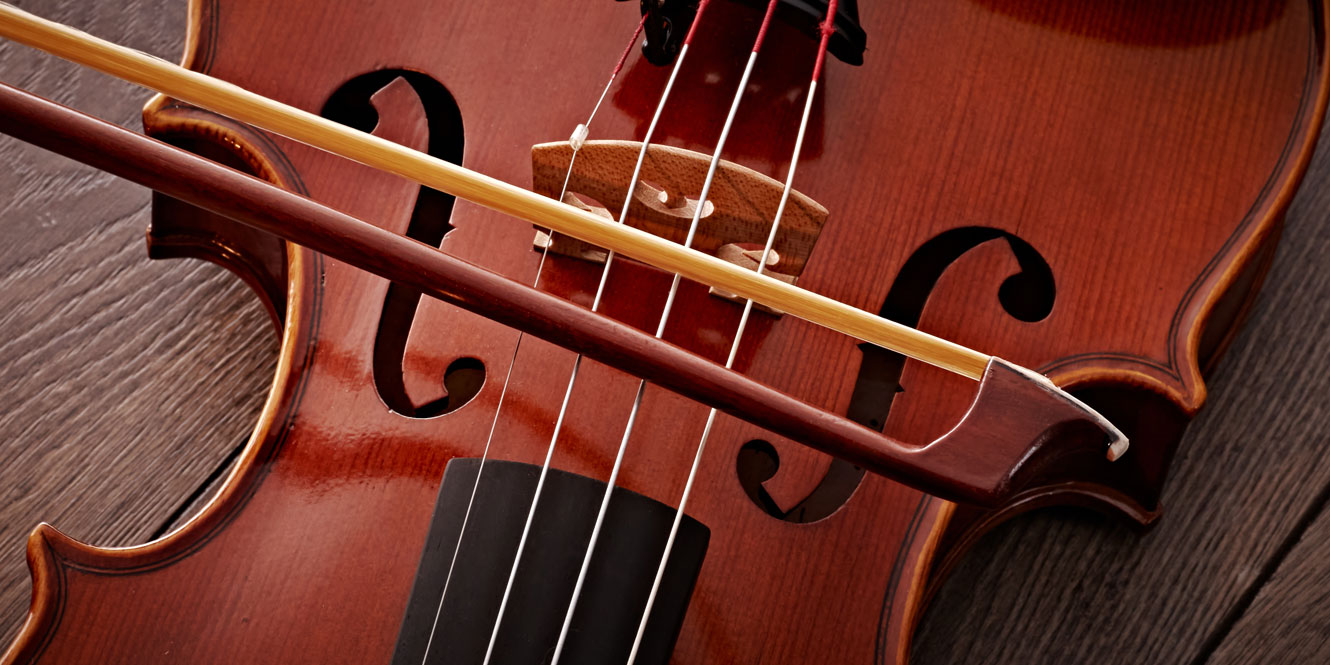
In terms of appearance, today’s cello still reflects the classic Italian models by Stradivari. You’ll recognise the same elegant curves, f-holes, arched top and back, and ebony fittings, along with the now-standard spike for support.
That said, modern materials have entered the picture. Carbon fibre cellos offer durability and resistance to temperature changes, and electric cellos are now more prominent. These instruments use pickups instead of a traditional resonant body, allowing you to amplify the sound easily for live performance and recording.
So, while the shape has stayed familiar, the modern cello is the result of centuries of refinement — built to meet the musical demands of today’s players.

FAQs
Who invented the cello and why?
The invention of the cello is credited to Andrea Amati and early Italian luthiers in the 16th century. They developed the cello to provide a deeper, richer bass voice within string ensembles. The instrument evolved to expand the tonal range of orchestras.
When was the cello first created?
The cello was created in the early to mid-1500s. It emerged during the Renaissance as instrument makers refined violin-family designs. Its structure gradually standardised to meet the growing demands of court and church music.
Which is older, the violin or the cello?
The violin is considered to be older than the cello. It appeared slightly earlier in the 16th century, before the cello was fully developed. The cello evolved soon after to provide a lower register within the same family.
Final thoughts
As you’ve seen, the story behind the history of the cello stretches from 16th-century Italy to today’s concert stages. If you’re an avid player or purchasing your first cello, it’s nice to know and appreciate the years of expert-led innovation and refinement that have made the instrument we love today!



0 Comments