



Featured image: Creative Commons License by Kathleen Ballard, Los Angeles Times
When you hear the name Karen Carpenter, you might picture her as a vocalist, but to me and many others, she was a drummer first. At a time when it was rare for a woman to be behind a kit, Carpenter showed that women really can do it all.
In this article, we’re going to look at Karen Carpenter’s drums, exploring how her technique shaped The Carpenters’ sound, the setup she relied on, and what made her approach so effective. We’ll also explore her singing style and how she’s influenced a generation of musicians.

Karen Carpenter: a brief bio
Karen Carpenter was born in New Haven, Connecticut, and moved with her family to Downey, California, in 1963. It was during her time at school that she first picked up the drums, initially joining the marching band to avoid gym. She was first assigned the glockenspiel, but after watching one of her friends play the drums, she decided to give it a go and quickly realised she had a real connection with the instrument.
With guidance from a friend and inspiration from drummers like Joe Morello, she built a strong foundation in rudiments and jazz technique. That early discipline would go on to shape her precise, controlled playing style.
Karen soon began performing with her brother Richard, forming a jazz trio that found early success, including a win at the Hollywood Bowl’s Battle of the Bands. Even so, their first record deal didn’t last, which is something many musicians can relate to when starting out.
After a few different projects, the siblings formed The Carpenters and signed with A&M Records in 1969. Their breakthrough song was “Close to You”, and their sound quickly connected with a wide audience. Karen’s dual role as vocalist and drummer was rare to see on such large stages.
Throughout the early 1970s, The Carpenters became one of the world’s biggest acts, achieving Grammy Awards and major chart success and selling millions of records. Her playing also earned recognition from fellow musicians and fans, with readers of Playboy voting her the best rock drummer in America.
Behind the success, though, Karen faced serious health struggles. Her battle with anorexia nervosa led to cancelled tours and, tragically, her death in 1983 at the age of 32. Her career was short, but her influence still stands today.

Creative Commons License by A&M Records
Carpenter’s drum setup
Karen Carpenter was very set in her ways when it came to drum gear, and that consistency became a big part of her sound. Once she found what worked, she stayed loyal to it.
Her first proper kit was an entry-level Ludwig in a sparkle finish, similar to what many of her favourite drummers were using at the time. It gave her a familiar feel and a tone she could build on. She later moved to a Ludwig Super Classic in silver sparkle, which became one of her most recognisable setups.
This was a 4-piece kit with a 22-inch bass drum in a one-up, one-down configuration. It was a simple setup that suited the band’s playing style. That kit is still preserved today alongside her “Lead Sister” T-shirt and was displayed at the Carpenter Performing Arts Centre in California.
If you like the feel of that setup, something like the Ludwig Classic Maple 22” 3-piece Fab in Vintage Black Oyster gives you a similar configuration and, of course, that well-known Ludwig sound. If you’re new to drumming and want to start your Carpenter legacy on an affordable Ludwig set, check out the Ludwig Accents or the Ludwig Evolutions. They’re both solid entry-level choices.
For her snare, she relied on a Ludwig 14” by 5” Super Sensitive aluminium model, delivering a crisp and articulate response that suited her precise playing. You can get close to that sound with the Ludwig 14” x 5” Acrolite snare, which offers a similarly clean and controlled tone.
As her career progressed, her kit began to expand. In early TV appearances, she added deeper rack toms while keeping her core setup intact. By 1971, she introduced concert toms and an extra floor tom, building a larger setup while still singing lead.
This approach carried into her “monster kit” era, inspired in part by Hal Blaine, giving her more tonal range without losing control. Later, she became known for Ludwig Vistalite kits in clear and coloured finishes, adding a bold visual edge on stage. During The Carpenters’ 1976 world tour, she also stepped beyond the standard kit, incorporating percussion instruments like timbales, bongos, and woodblocks into her performances.
Her cymbals stayed simple, with Zildjian 14” hi hats, a 20” or 22” ride, and a crash. For hardware, she trusted Rogers, practical, reliable, and built to last.
Karen Carpenter: style and influence
To be honest, I could go on all day about how inspirational I think Karen Carpenter is. It wasn’t just because she was a female drummer, although that representation really matters; it was her style and her ability to play so tightly while singing.
She took inspiration from jazz and marching band drummers, particularly Joe Morello and Buddy Rich. You can hear that in her fills, where she often used rudiments like paradiddles, flams, and smooth rolls. She also switched between matched grip and traditional grip depending on the musical style, which added to her versatility.
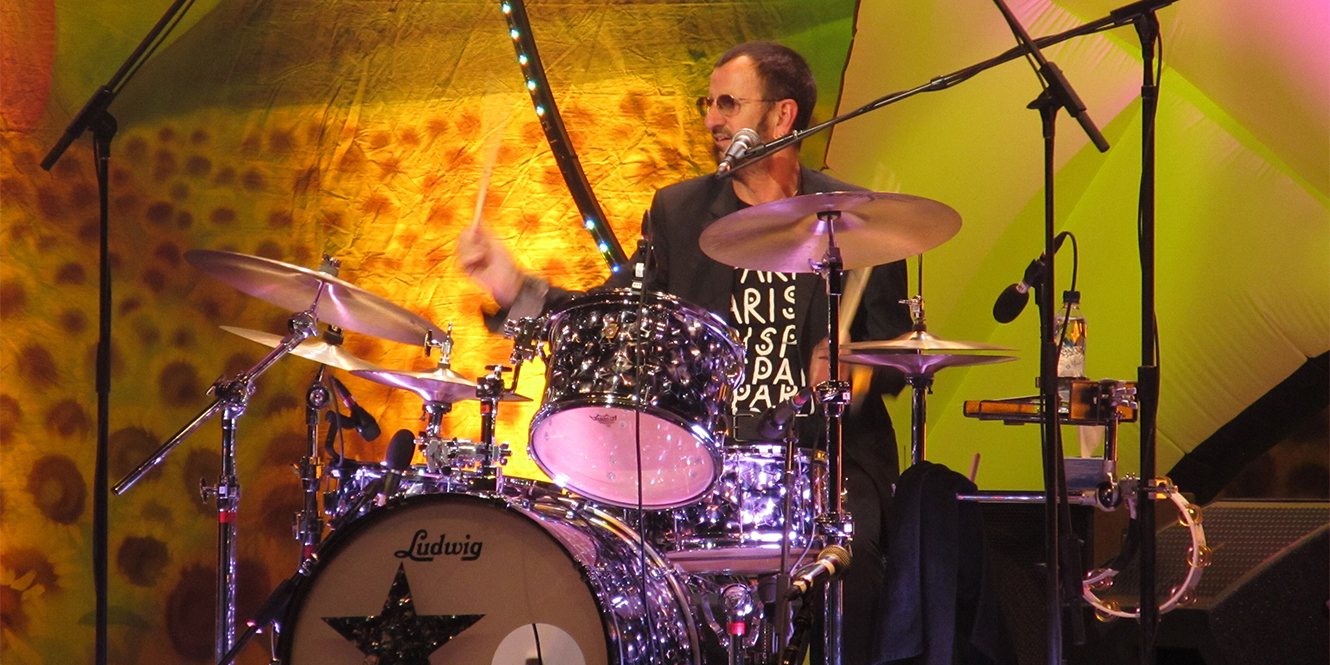
But although jazz shaped her early playing, she was just as comfortable playing rock. She loved Ringo Starr, and you can hear that in her approach to groove and feel, blending that pop sensibility with her jazz background and creating parts that felt musical without losing their technical foundation.
For me, her timing was immaculate. I’d go as far as calling her a human metronome. She locked into grooves in a way that felt effortless, often with a heavier bass drum feel that gave her playing a subtle sense of swing.
Her ability to sing while playing is still one of the most impressive aspects of her musicianship. She often used a close miking approach, which suited her intimate vocal style, letting tone and emotion carry the performance while she maintained tight, controlled grooves.
She’s had a lasting influence on drummers and singers. Buddy Rich once told her she was one of his favourite drummers, and others like Hal Blaine and Cubby O’Brien also spoke highly of her. Artists such as Beyoncé and Adele have cited her as an influence.
As a female drummer myself, I can say her presence in the industry was huge, and it still is. Drumming was, and still is, male-dominated, so seeing someone like her perform at that level showed what was possible. By serving the song and doing what she did best, she set a standard that still inspires female drummers today.

Creative Commons License by Billboard Publications Inc (now owned by Eldridge Industries)
FAQs
What was Karen Carpenter’s official cause of death?
Karen Carpenter’s official cause of death was cardiac arrest caused by complications of anorexia nervosa. The long-term eating disorder weakened her heart over time. Her passing in 1983 brought widespread awareness to the serious health risks of anorexia.
Was Karen Carpenter a very good drummer?
Karen Carpenter was a very good drummer and is widely regarded as one of the most talented female drummers in pop music history. She possessed exceptional timing and control. Many musicians praised her technical skill and natural musicality behind the kit.
What was Karen Carpenter’s last song before she died?
Karen Carpenter’s last song before she died was “Now,” recorded during sessions for her planned solo and final album. It was released posthumously and reflects the direction she was exploring musically.
Final thoughts
Karen Carpenter’s drum choices continue to interest drummers worldwide. Her life may have been short, but her influence still carries weight today, continuing to inspire performers both behind the kit and at the microphone.
In a world full of male drummers, she found a way to stand out by singing and playing at the same time, combining tight, controlled grooves with lead vocals. She was engaging to watch while still being technically strong and musically interesting.
If her approach inspires you, it’s worth shaping your setup around how and where you play, so your kit supports your style and the demands of your gigs. It might even be worth learning to sing and play, too.




0 Comments