



Choosing cello strings can feel surprisingly complicated. With different materials, tensions, and brands all claiming to improve your sound, it’s easy to wonder where to start. If you’ve found yourself asking, “What cello strings should I buy?“, I’ve jotted down everything I’ve learned over the years as a cellist and will help you choose the right ones for you.

Key takeaways
- Cello strings are tuned C, G, D, and A
- Steel, synthetic, and gut cores each offer different tone and stability
- String tension affects playability and projection
- Popular brands include Larsen, Jargar, Thomastik, and D’Addario
- Choose strings based on your playing style, instrument, and sound goals
- Replace strings when they lose tone or tuning stability
- Clean strings regularly and store your cello in stable temperature conditions
Firstly, what exactly are the strings on a cello?
A standard cello has four strings: C, G, D, and A. Starting on the low C string, you’ll hear a deep, rich bass tone. As you move up through the G and D strings, the sound becomes clearer and more focused before reaching the bright, singing voice of the A string.
Together, they give the cello a wide tonal range, capable of both powerful low notes and expressive treble melodies.
How to choose the right cello strings
Choose your string type
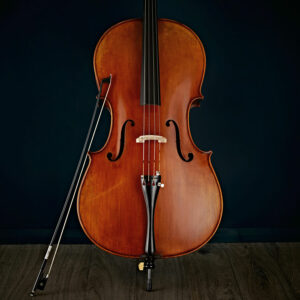 The first thing to think about when choosing a string is the core material. Gut was once the only option, but now, modern cello strings are available in several materials, each offering its own tonal characteristics.
Steel core strings dominate the cello world. They stay in tune, have powerful projection, respond quickly under the bow, and produce a focused, direct sound — all of which make them popular with orchestral players and soloists.
Some cellists, however, prefer the tonal character of synthetic strings. These are designed to capture the warmth and complexity of traditional gut strings, offering a richer, more nuanced sound while remaining far more stable in changing temperatures and humidity.
Then there are gut core strings, the original string material used for centuries. They produce a warm, nuanced tone with plenty of character, which is still prized by many period-performance specialists and early music players today.
The downside is that they’re more sensitive to environmental changes and generally require more maintenance than modern alternatives.
How thick do you want them?
String tension affects the sound and especially the feel of the strings, so it’s worth considering different tension options before committing to a specific one.
Medium-tension strings are the default choice for most players, and for good reason. They feel nice and balanced, comfortably offering playing and tuning stability and projection, which suits a wide range of styles.
Tonally, they deliver a well-rounded sound without leaning too heavily towards warmth or power. If you’re after a good, all-round set of medium-tension strings, I’d recommend the Jargar Classic set.
Light-tension strings are easier to press down and respond more quickly under the fingers, which can make shifting and vibrato feel more comfortable. They also tend to produce an open, resonant tone with plenty of warmth. If ease of play is high on your list, take a look at these D’Addario Kaplan strings.
For more powerful sound with strong projection, you’ll need heavy-tension strings, such as these Larsen Auroras. The extra string resistance can help produce greater volume and clarity, particularly in larger performance spaces. They do require more finger pressure than lighter options, but with that, you get added control.
Brands to know about
 There are a handful of string manufacturers that have earned an excellent reputation among cellists. Each brand has its own approach to tone, feel, and response, giving you plenty of options depending on what you want from your instrument.
Larsen strings are some of the most popular choices for advanced and professional players. They offer a good balance of warmth, projection, and responsiveness, making them suitable for a wide range of musical settings. The Larsen Original Series is commonly used with other strings to create a balanced, colourful sound.
Founded by a cellist, Jargar have been trusted for decades. Their strings are clear-sounding and comfortable to play. If you’re looking for a great string set for younger players, I’d recommend their Young Talent Series. This offers a dependable middle ground that suits many types of players.
Thomastik produce several highly respected cello string ranges, including the Spirocore strings, which have become something of an industry standard among professional cellists thanks to their depth and responsiveness.
You’ll often find these on the lower strings of professional setups thanks to their rich tone and excellent projection.
If you’re on a budget but still need reliable performance, D’Addario are a great, accessible brand to consider. I’d suggest their Helicore range for its consistent quality.
What kind of sound and projection do you need?
If you usually play concertos or solo repertoire, you’ll probably want good projection from your cello. In these situations, you need a string that produces a focused sound with enough power to carry across a concert hall and cut through an orchestra. Among Larsen’s more recent offerings, the Sovereign strings provide a direct, clear voice with strong projection that many professional cellists appreciate.
Chamber settings require a bit more nuance. When you’re sharing the musical conversation with a small group, a warm, colourful string can help you shape phrases more expressively and blend more comfortably with the players around you.
And not every cellist needs a concert-hall level of volume. If you’re practising regularly and attending lessons each week, you’ll want a set of good student-friendly strings with reliable tuning stability, a clear tone, and a comfortable response under the bow.
Also consider the cello itself. A naturally bright instrument may sound beautiful with warmer-sounding strings, while a darker cello can sometimes call for a brighter, more focused set of strings.
Small changes can make a surprisingly noticeable difference to the overall character of your sound.
How often should you change your strings?
Cello strings don’t last forever. Even if they still look fine, the materials gradually wear down through regular playing, causing them to lose their tone and tuning stability over time.
How often you should replace them depends largely on how much you play.
If you’re a beginner or student practising a few times a week, a set of strings can last about a year before you notice a significant drop in performance. If you play more casually, you might get even longer from a set, particularly if you take good care of your instrument.
Regular rehearsals, performances, and longer practice sessions, however, place greater demands on the strings. Therefore, they tend to wear out more quickly. So if you’re a more advanced player who does play more regularly, you’ll also have to change your strings more often. Many serious players replace their strings every three to six months to keep their sound consistent and their instrument responding at its best.
But rather than keeping to a strict timeline, it’s better to pay attention to how your cello feels and sounds. The more you play your cello and learn its sound, the easier it’ll be to notice when your strings become harder to tune or sound less vibrant than they used to — that’s when it’s time to change them.

Taking care of your strings
In terms of string maintenance, the best practice is to wipe them down with a dry microfibre cloth after every playing session to remove any excess rosin and grime.
You’ll also want to store your cello correctly to preserve the longevity of your strings. If you play your cello regularly, I’d suggest using a cello stand, but a hard case will always be a safer option as a more long-term or portable solution.
It’s also crucial that you keep your cello at the right humidity to stop the wood from warping.
This involves keeping the instrument out of direct sunlight and away from radiators. Ideally, you’d get a dehumidifier, so you can see the exact humidity and adjust accordingly. For reference, the perfect temperature for a cello is around 20°C with a humidity between 40% and 60%.

FAQs
What strings do professional cellists use?
Professional cellists generally use mixed sets of cello strings to create a tone that complements their instrument. An example would be combining Thomastik Spirocore G and C strings for a rich, resonant low register with Larsen Original upper strings for clarity and brilliance.
Is light or dark rosin better for the cello?
Dark rosin is usually considered better for the cello because it is softer and stickier, helping the bow grip the instrument’s thicker strings and produce a richer tone. Light rosin is harder and may be preferred in hot climates or for a brighter sound.
Do cello strings make a difference?
Cello strings make a significant difference to tone and overall playability. Different materials and tensions can alter warmth, brightness, projection, and articulation. Upgrading your strings is one of the best ways to improve your sound.
Final thoughts
Hopefully, you now have a better idea of which cello strings you should buy. Ultimately, string choice is personal, and what works brilliantly for one cellist may not suit another. Trust your ears, consider where you’ll be playing, and experiment to find the set that gives you the sound you want.



0 Comments