


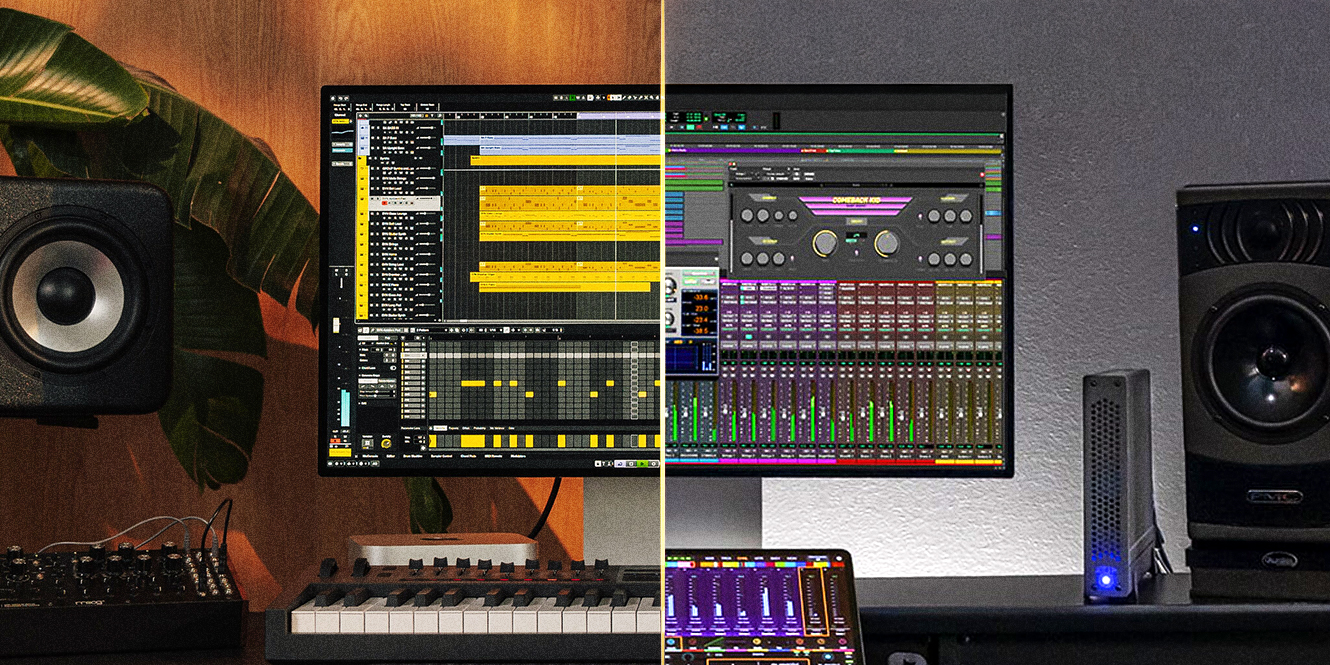
DAWless music production is exactly what it sounds like: making music without a computer-based digital audio workstation. Instead, you build a setup around hardware like samplers, sequencers, drum machines, and synths.
DAWless jamming and standalone music production have surged in popularity, encouraging hands-on creativity and fewer distractions. You simply switch on your gear and start turning your ideas into sound.
Some argue it limits editing flexibility, but many musicians find the focused workflow refreshing and inspiring.
In a hurry?
Here are our top three picks for DAWless music production:
| Akai MPC Sample | Classic MPC workflow in a compact, portable design that inspires you to get creative. | Check the current price |
| Teenage Engineering PO-33 K.O! Sampler | A micro sampler that's small enough to fit in your pocket - with built-in microphones for when inspiration strikes. | Check the current price |
| Akai MPC XL | Complete standalone production workstation with iconic MPC pads and an 8-core processor. | Check the current price |

Top tips for DAWless music production
Starting a DAWless setup can feel a little overwhelming at first, but the core idea is simple: keep things tactile, portable, and inspiring.
Start with a central brain
Most DAWless setups revolve around a main device that handles sequencing and timing. This might be a sampler, groovebox, or hardware sequencer. Think of it as the conductor of your setup. It keeps everything in sync via MIDI and lets you arrange patterns into full tracks.
Choose gear that complement each other
Each piece of gear you use needs to have a clear role. For example, one device might handle drums and sampling, while another focuses on melodies or sound design. This approach keeps the workflow streamlined and avoids duplication.
Embrace limitations
One of the biggest benefits of standalone production is working within limits. This encourages you to get creative, without being inundated by endless plug-ins or editing options. Many musicians find they finish ideas faster because there’s less temptation to constantly tweak.
Think about connectivity
MIDI and audio routing are essential for these kinds of setups. MIDI lets devices communicate timing and note data, while audio connections route sound through mixers or effects. A small mixer can be incredibly useful for combining signals from multiple devices.
Build a portable workflow
Another reason DAWless production is so popular is portability. A compact groovebox, sampler, and pair of headphones can become a mobile studio. If you’re on the sofa or travelling about, the ability to jam anywhere can massively boost your creativity.
Record your sessions
It’s always worth recording your jams. Many artists record long sessions and later select the best parts. You’ll capture the spontaneity that makes standalone music production so fun.
Our favourite standalone equipment
1. Akai Professional MPC Sample Standalone Sequencer
 The Akai Professional MPC Sample incorporates classic MPC workflow and design into a portable yet powerful sampler. Designed for standalone beat-making, this small unit utilises sampling and sequencing tools that make building grooves quick and easy.
The responsive pads are ideal for finger drumming and triggering samples, while the streamlined layout means you can focus wholly on performance and creativity. Sampling, arranging patterns, and shaping beats feels immediate and intuitive.
Its portable design also makes it easy to integrate into smaller DAWless setups. If you enjoy tactile music production and quick idea generation, the MPC Sample is a fun and flexible addition to any hardware rig.
2. Teenage Engineering PO-33 K.O! Sampler
 Small enough to fit in your pocket, the Teenage Engineering PO-33 K.O! proves that DAWless music production doesn’t need to be expensive or complicated.
This compact sampler is designed around quick creativity, letting you record sounds, chop samples, and build beats almost instantly.
Its stripped-back workflow keeps the focus firmly on experimentation. You can sample directly through the built-in microphone, sequence patterns, and add effects without getting lost in menus or settings.
Because it’s lightweight and battery-powered, the PO-33 is perfect for making music anywhere. It’s a brilliant choice for beginners or producers wanting a portable sketchpad for spontaneous ideas.
3. Akai Professional MPC XL Standalone Sampler and Sequencer
 The Akai MPC XL is a powerful all-in-one production workstation built for fully standalone music creation.
Designed around Akai’s iconic MPC workflow, it combines sampling, sequencing, and performance features in a single piece of hardware.
Its responsive MPC pads make finger drumming expressive and natural, while the large touchscreen keeps navigation and editing quick and intuitive. With a fast processor, generous internal storage, and the MPC3 operating system, it can handle full projects without needing a computer.
For DAWless setups, the MPC XL works brilliantly as the central hub.
It can sequence external gear, record audio, trigger samples, and arrange full tracks, making it ideal for hands-on music production.
4. Teenage Engineering OP-XY
 Compact, creative, and unmistakably Teenage Engineering, the Teenage Engineering OP-XY brings a playful approach to standalone music production.
It’s designed as a portable music workstation, combining sequencing, synthesis, and sampling in a sleek piece of hardware that encourages experimentation.
Despite its small footprint, the OP-XY offers a surprisingly deep workflow. You can build beats, sketch melodies, and layer sounds quickly using its intuitive interface.
The lightweight design makes it easy to carry around, turning any space into a potential studio.
Perfect for capturing ideas on the move or adding character to a larger setup, the OP-XY makes standalone music production feel spontaneous and fun.
5. Elektron Octatrack MKII
 Few pieces of hardware have earned the reputation of the Elektron Octatrack MKII. Known for its powerful sampling engine and deep sequencing capabilities, it’s become a staple in many DAWless setups and live electronic performances.
The Octatrack allows you to manipulate audio in real time, slicing loops, rearranging samples, and building evolving patterns as you perform.
Elektron’s advanced step sequencer gives you precise control over rhythms and modulation, opening the door to complex arrangements.
Another strength lies in its flexibility. It can sample external gear, process incoming audio, and sequence other hardware simultaneously, making it a highly creative tool for musicians who enjoy experimenting with sound.
6. Roland SP-404 MKII Creative Sampler
 The Roland SP-404 MKII continues the legacy of one of the most beloved samplers in hip-hop and electronic music.
Known for its quick workflow and distinctive effects, it’s ideal for beat-making and live performance.
The MKII version adds improved editing tools and expanded connectivity while keeping the iconic performance pads. Sampling, chopping, and triggering sounds can be done in seconds.
Its onboard effects are also great. From lo-fi textures to performance filters and delays, they allow you to reshape sounds instantly.
Its iconic sound and character make it one of the most unique standalone sequencers on the market.
7. Teenage Engineering EP-133 KO II
 If you’re looking for a fun and approachable way into hardware production, the Teenage Engineering EP-133 KO II is a great place to start.
Inspired by classic pocket samplers, it focuses on fast beat creation and creative experimentation.
Its interface is designed to keep things simple. You can sample sounds, arrange patterns, and build grooves without navigating complicated menus, which keeps the workflow playful and immediate.
The compact design also makes it easy to take anywhere.
Whether you’re sketching ideas on the sofa or building beats on the move, the EP-133 encourages spontaneous creativity and shows just how enjoyable DAWless music production can be. For dawless jamming and mixing external gear with the EP series, check out the EP-136 K.O. Sidekick 2 Channel Stereo Mixer.
FAQs
What does DAWless music production mean?
DAWless music production means creating music without using a computer-based digital audio workstation like Ableton Live or FL Studio. Instead, producers use hardware devices such as samplers, drum machines, grooveboxes, and hardware sequencers. These devices often include built-in sampling, synthesis, and sequencing features, allowing full tracks to be created entirely with hardware.
Is DAWless music production better than using a DAW?
Neither DAWless production nor production with a DAW is objectively better. DAWs offer powerful editing tools, plug-ins, and unlimited tracks, making them ideal for detailed production and mixing. DAWless workflows prioritise hands-on interaction and creative limitations. Many musicians enjoy the tactile experience of hardware and the focused environment it creates.
What equipment do you need for a DAWless setup?
A typical DAWless setup includes a central groovebox or sampler, one or two sound sources like synthesizers or drum machines, and a way to mix the audio. Many musicians also use MIDI connections to synchronise devices and ensure everything plays in time. Some setups remain very minimal, while others grow into full hardware studios.
Final thoughts
DAWless music production is all about reconnecting with the joy of making music. Instead of staring at a screen and tweaking plug-ins, you’re pressing pads, turning knobs, and building ideas with your hands. That physical interaction often sparks creativity in ways a computer workflow can’t.
The gear in this guide shows how many different paths you can take. You might prefer powerful centres like the MPC XL, or you might enjoy compact samplers or portable grooveboxes such as the EP-133 K.O II that encourage quick experimentation.
The most important thing is finding equipment that inspires you to play. With the right setup, DAWless music production can turn simple jam sessions into exciting musical ideas.




0 Comments